
Conference Speakers
Sorted Alphabetically

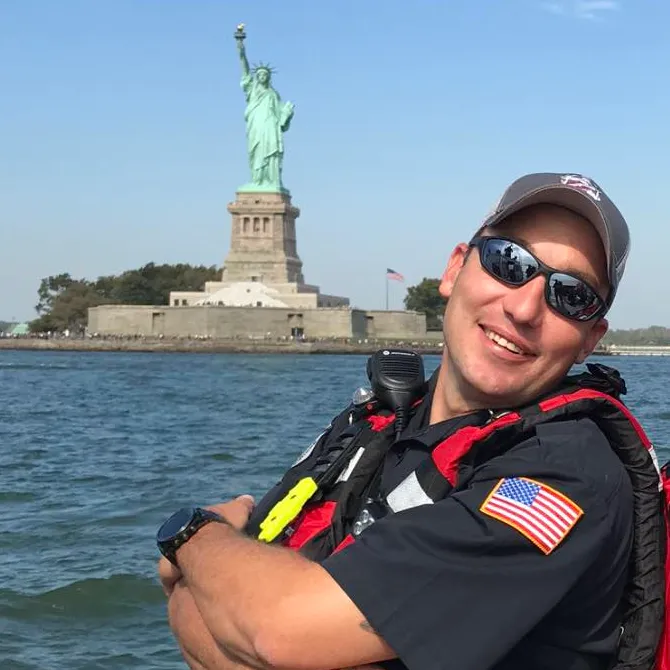
Tim Andro
From the Ground Up: The Rebuilding of a PSD Team After an Accident......Day 1, Room 2, 17:00-17:50
Tim Andro is the owner and lead SDI/ERDI instructor for Northeast Public Safety Divers, a premiere public safety dive training center for the northeast U.S. He has almost 20 years of recreational and technical dive experience, including Advanced Trimix and Closed-Circuit Rebreather, and has logged over 3,000 dives. He has also been a firefighter for 22 years, 10 of those as a public safety diver, and is the current Dive Coordinator for Mahwah Fire & Rescue Co #1, and the current Vice President of the North Jersey Regional SCUBA Task Force.
From the Ground Up: The Rebuilding of a PSD Team After an Accident
From the Ground Up covers the preventable events that led to a diver decompression injury, the ensuing regulatory investigation that caused the team to be shut down, and the eventual rebuilding process to get back in good standing.
Bio:
My passion for diving took hold at the age of 11 when I lived in California. At that time, my parents could not afford more than a discover scuba course, but I was hooked. Fast forward 15 years and I found the chance to get fully into diving, cutting my teeth exploring the thousands of shipwrecks that litter the northeast coast. After gaining some experience I moved into technical and CCR diving.
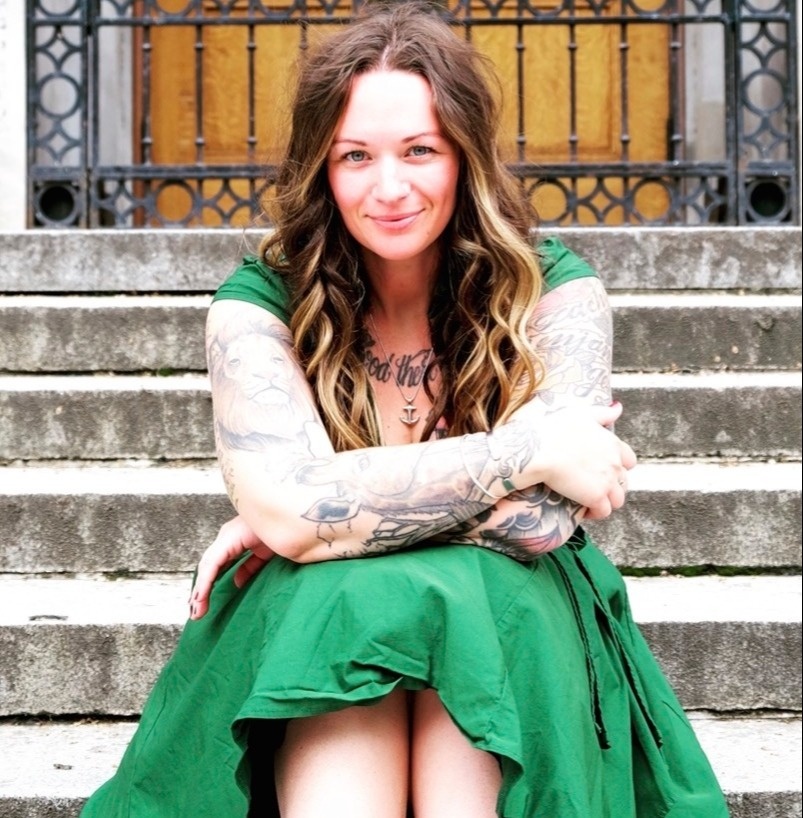
Ashley Bugge
Creating change through story-telling......16:00-16:50 Hall 2
Ashley Bugge is an award-winning author and human behaviour scholar based out of the United States. As an American military widow, she has dedicated her personal and professional pursuits to opening dialogue in emotionally complex scenarios and has modelled this behaviour in the aftermath of the diving accident that claimed her husband's life in May 2018.
Creating change through story-telling
You have the power to inspire! In this presentation, we’ll talk about using personal experience to educate and inspire our diving community, as well as shape and pave the way for learning for future generations of divers.
Long Bio:
Ashley Bugge recounts tales of tragedy, triumph and exploration in her award-winning memoir, ‘Always Coming Back Home’ and is also the author of ‘A Hui Hou: Until We Meet Again’ which walks children through the experience of grief and losing a loved one. Ashley also helped create the documentary; If Only… which shares the stories and events leading up to the May 2018 rebreather diving death of her husband, Brian Bugge. Ashley is a graduate student studying Human Behavior with a speciality in forensics and is also a mom to three young children. She is a scuba diver, a world traveller, a total badass, and an advocate for sharing experiences.
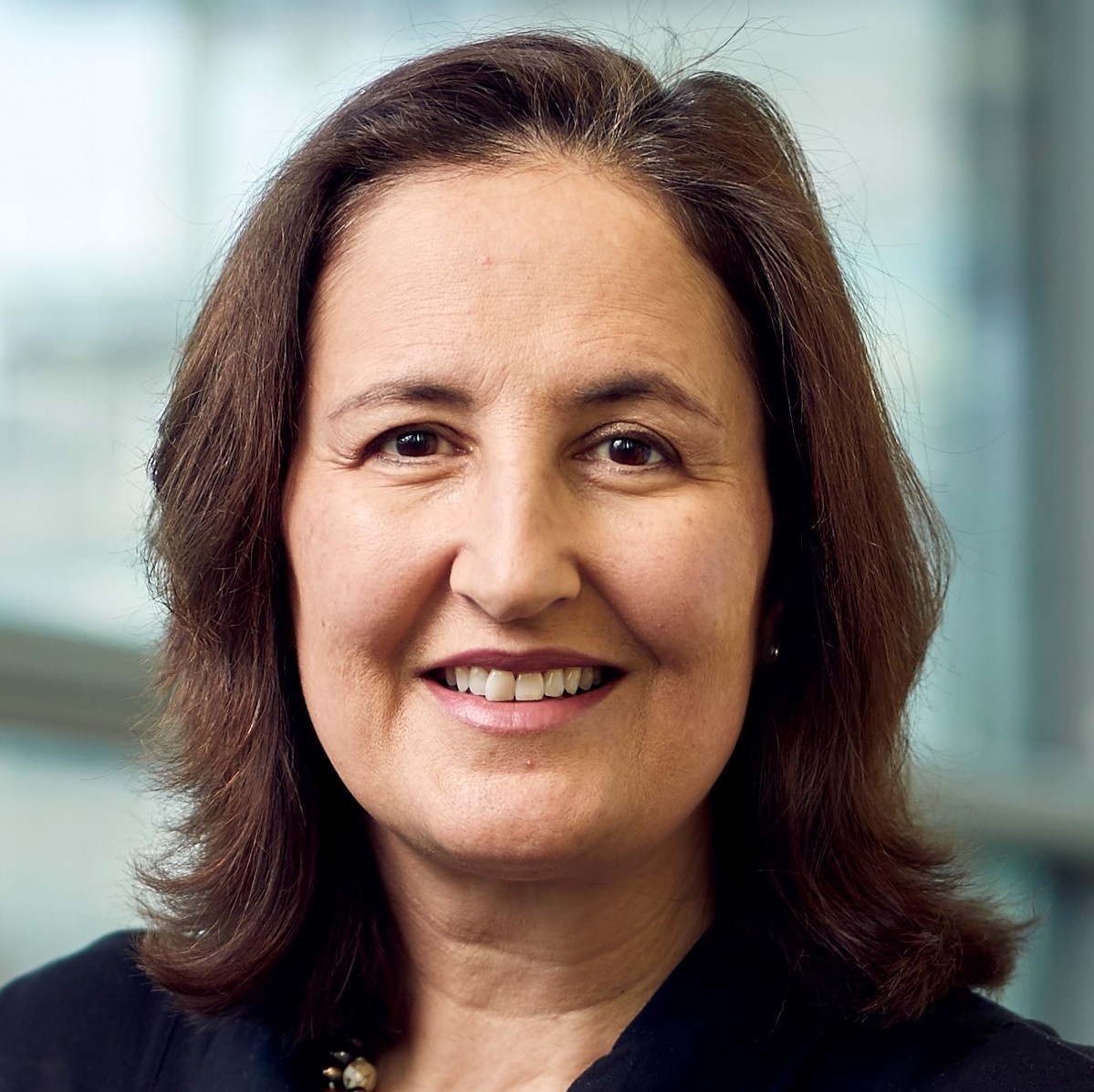
Diane Chadwick-Jones
Moving from blame to learning in a high-risk organisation......Day 1, Room 1, 11:00-11:50
Diane is the former Director, Human Performance for BP, where she delivered cultural change and safety improvement including operationalizing a “systems thinking” approach by improving the way work is set up to reduce the possibility of mistakes and make work more effective. Diane now focuses on education and advocacy.
Moving from blaming to learning in a high-risk organisation
Wondering if there are any examples of the implementation of James Reason’s Just Culture model that have created positive change and a move away from blame towards learning? Search no more! This presentation explains the successful re-design done by BP since 2012 that has been published in a peer-reviewed journal.
Long Bio:
Diane is the former Director, Human Performance for BP. She is a graduate of Imperial College, London and had an extensive career in BP, spanning many businesses and functions including Refining, Exploration&Production and Chemicals, working in Belgium, Brazil and Egypt in operations and safety roles.
In her positions related to Safety Culture and Human Performance, she was instrumental in the refresh of the BP Values, and delivering cultural change and safety improvement including operationalizing a “systems thinking” approach by improving the way work is set up to reduce the possibility of mistakes and make work more effective.
Diane focuses on education, mentoring and advocacy, including contributing to influential podcasts about modernizing the approach to safety: Pre-Accident Investigations https://www.podbean.com/eu/pb-fqc48-f9d08e , Safety on Tap Ep176: https://www.safetyontap.com/ep176-the-human-performance-perspective-of-improvement-with-diane-chadwick-jones/ and RedRisks https://www.redrisks.com/safety-leadership-what-why-and-how/
Tim Clements
CCR CE is missing the HF Element
......Day 1, Room 2, 15:00-15:50
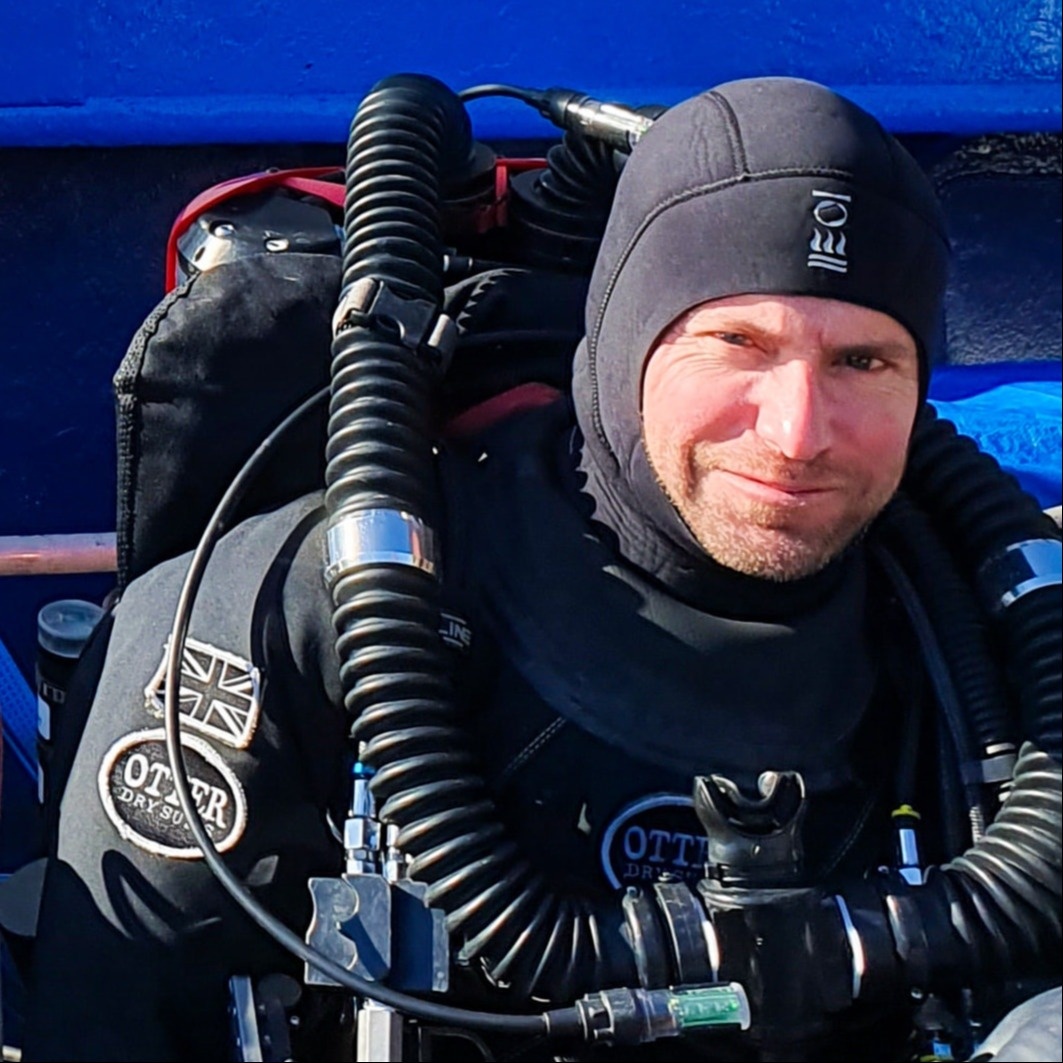
Tim started diving in 1990 while studying Marine Biology and Oceanography, becoming a BSAC Advanced Diver, followed by MSc and HSE Part IV qualifications. He is now heavily involved in the RedBare CCR development as well as managing the Vobster Quay dive site.
CCR CE is missing the HF Element
The benchmark safety test for CCR is CE testing to EN14143:2013. This talk explores how far human factors are considered, both implicitly and explicitly in this standard, to improve diver safety.
Long Bio:
Tim started diving in 1990 while studying Marine Biology and Oceanography, becoming a BSAC Advanced Diver, followed by MSc and HSE Part IV qualifications. Subsequent diving projects included environmental survey, scientific expeditions, aquarium diving and media projects, harnessing an enthusiasm for communicating marine science. His personal diving includes many countries, wrecks and reefs, but remains focused on temperate seas. Tim began technical diving in 1999, taking part in the 990 Bullring expedition as a videographer. He is co-owner of IANTD UK and an active IANTD IT on both OC and CC, writing Self Sufficient, Photogrammetry, and Scientific diving manuals. He is also a test diver and factory training manager for the RedBare CCR, with additional ratings on Explorer and MCM100.
David G. Concannon
What can happen legally after an incident.....Day 1, Room 1, 17:00-17:50
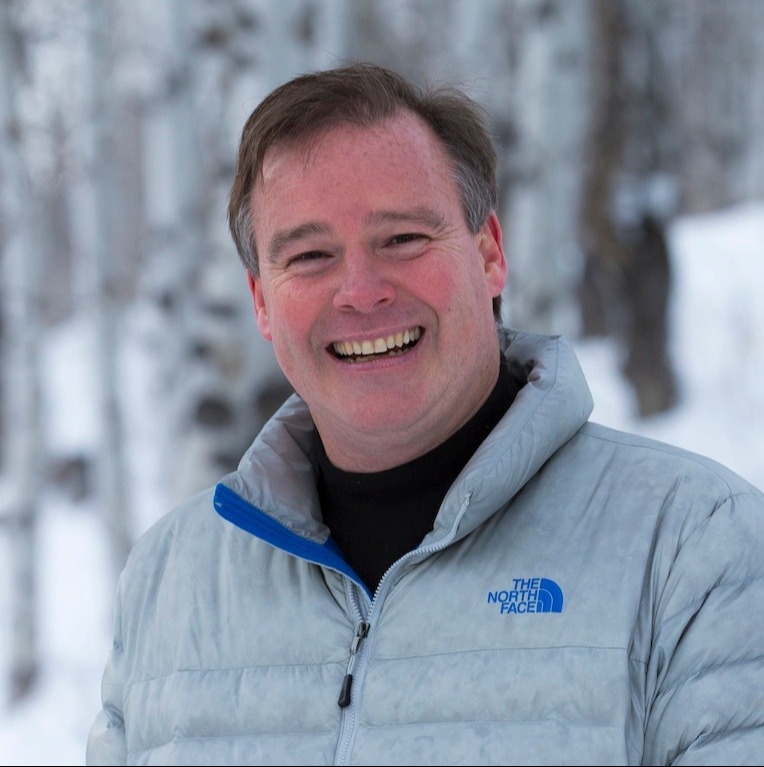
David Concannon is an attorney with more than 40 years of experience as a scuba diver and 30 years as a trial lawyer in courtrooms around the United States. Through his law firm, Concannon & Charles, David represents a myriad of clients in the diving industry and he is an expert on the legal issues associated with scuba diving.
What can happen legally after a diving incident
What happens after the accident? This presentation details the process and procedures for investigating a scuba fatality or serious injury.
Long Bio:
David Concannon is an attorney and explorer with more than 40 years of experience as a scuba diver and 30 years as a trial lawyer in courtrooms around the United States. David has lost only one trial in his legal career, his first, and he didn’t like it. He has not lost another trial since 1995.
David has spent a lifetime in and under the water. He started diving at the age of 14, first in a lake in New Hampshire, then in mud holes in western Pennsylvania, before graduating to the ocean and becoming a “New Jersey wreck diver” in the late 1980s. He explored lots of shipwrecks, but he never saw a fish from more than six inches away until he found his way to the Cayman Islands in 1993. Since then, he has dived in clear water all over the world.
An avid explorer, David has sailed the Beagle Channel, climbed Mt. Kilimanjaro, dived 16,000 feet deep in the Bermuda Triangle, recovered artifacts from the Titanic, and led the expeditions that found and recovered the Apollo F-1 engines that launched men to the moon. He regularly advises clients on “the business of exploration” through his company, Explorer Consulting.
David is an expert in the legal issues affecting exploration, diving and technical diving. He has served as legal counsel to private salvors, scientists, governments, filmmakers, training agencies, explorers and equipment manufacturers. He has been General Counsel to a number of organizations, including The Explorers Club, X-Prize Foundation, Professional Shipwreck Explorers Association, Anglo-Danish Maritime Archaeology Team, Academy of Underwater Arts & Sciences, and the Rebreather Education & Safety Association. David’s law firm, Concannon & Charles, represents clients throughout the diving industry.
Dave Conlin Ph.D
"Just Culture" from the Inside- How a Bureaucracy Responded to a Dive Accident."......15:00-15:50 Hall 1
Dave Conlin is the Chief and Director of the US National Park Service's Submerged Resources Center, a small team of underwater archaeologists and Photographers that provide expert services and consulting to US National Parks and Partners. An experienced open, closed and surface-supplied diver with dozens of certifications and thousands of dives, Dave and the team he works with have embraced the study of Human Factors and committed to Just Culture in all operational diving.
"Just Culture" from the Inside- How Not to be a Good Subject of an Accident Investigation.
This presentation is a personal perspective on being the subject of a government/institutional accident investigation based on first-hand experience and through the historical perspective of the Cuban Missile Crisis.
Long Bio:
After undergraduate work at Reed College, Dave received a master’s degree from Oxford University in Aegean and underwater archeology and then followed this with another Masters and then a Ph.D. in anthropology and archeology from Brown University. While at Brown Dave began volunteering with the National Park Service Submerged Resources Units beginning in 1993 assisting with the extensive field seasons at Dry Tortugas National Park. From 1993-1996 Dave split his summers between the Dry Tortugas and Greece where he was doing his Ph.D. research on Mycenaean Bronze Age maritime trade. From 1997-1999 Dave lived in Greece and finished his Ph.D. dissertation. Following graduation from Brown University, Dave took a job as an underwater archeologist with the National Park Service but was detailed to the United States Navy as their Chief Field Archaeologist. While with the Navy he helped plan and execute the recovery of the world’s first successful combat submarine, the Confederate submersible H.L. Hunley-lost off Charleston South Carolina in 1864. Following the Hunley project Dave moved to Santa Fe to join the National Park Service’s Submerged Resources Center and continue diving on shipwrecks around the country and around the world. As an NPS diver, Dave has trained on and used many different types of diving equipment including scuba, open circuit mixed gas, closed circuit rebreathers, and commercial surface-supplied diving equipment. Dave has completed several thousand scientific dives around the world at depths of up to 100m (330 ft.) In 2009 after the SRC moved from Santa Fe to Denver he assumed the position of Chief of the Center. Recent projects include documentation of RMS Titanic in 2012, work in South Africa and Mozambique, collaborative work in Peru, Colombia, Panama and Canada, as well as collaborative work with NOAA, BOEM, BSEE and numerous state and local agencies. Dave was on the Board of Directors for the Advisory Council on Underwater Archaeology, The National Park Service’s National Dive Control Board, and was the archeological representative to both the National Ocean Council and President Obama’s National Ocean Plan; he is also one of the original members of the Slave Wrecks Project. He lives in Boulder with his wife Michelle and their dog Maya.

Dr Tristan Cope
Decision-making in Uncertainty: From Healthcare to Diving......Day 1, Room 2, 14:00-14:50
Tristan Cope is Executive Medical Director and a consultant in Critical Care Medicine at Liverpool University Hospitals. He is also Lead Clinician at the North West Recompression Unit on the Wirral.
Decision-making in Uncertainty: From Healthcare to Diving
Human beings have evolved to be able to make rapid decisions with incomplete information using heuristics which rely on experiential learned rules and cognitive biases. With examples from healthcare and other sectors we will explore the benefits and pitfalls of heuristic decision making and strategies for improving decision making in diving.
Bio:
Tristan has worked as a consultant in anaesthesia and intensive care medicine at Aintree University Hospital in Liverpool since 2001. He is the Executive Medical Director for Liverpool University Hospitals and Lead Clinician at the North West Recompression Unit. He has a particular interest in Human Factors, having worked for eight years as a medical instructor at the Cheshire and Mersey Centre for Simulation and Patient Safety, including two years as the director of the centre. He was appointed as the Executive Medical Director at Liverpool University Hospitals when the trust formed in 2019, having previously been the Medical Director of Aintree University Hospital. Tristan is also a keen recreational and technical diver.

Bart den Ouden
Normalisation of Deviance......Day 1, Room 1, 14:00-14:50
Bart den Ouden is a TDI Advanced Mixed Gas (OC & CC) Instructor Trainer, PADI Course Director and Instructor Trainer for Disabled Divers International (DDI), DAN Europe & Emergency First Response Corp. (EFR). He is also security professional, an examiner for the Dutch Security Exam Board and instructor for The Human Diver and he lives in Rotterdam, Netherlands.
Normalisation of Deviance
If only we could prevent every bad thing by capturing it in a rule. But that’s not possible. Yet, we try to do just that. Humans are practical creatures and we will always look for the most efficient way to get the desired results. Even if this means not following the rules. “It’s the result that matters!”, right?
Bio:
Bart has been working as a diving professional since 2001. Since then he has been steadily gaining more experience and more competency. He became an EFR Instructor Trainer in 2006, a TDI Instructor Trainer in 2007 and a PADI Course Director in 2008. Since then he has also gained additional qualifications with agencies such as DDI, DAN Europe and IANTD. The more he learned, the more he realised how much more there was to learn. He always felt something was missing from diver training and Human Factors filled that gap.
Andrzej Gornicki
The relationship between national culture and safety culture: Implications for diving safety and organizational culture......13:00-13:50 Hall 2
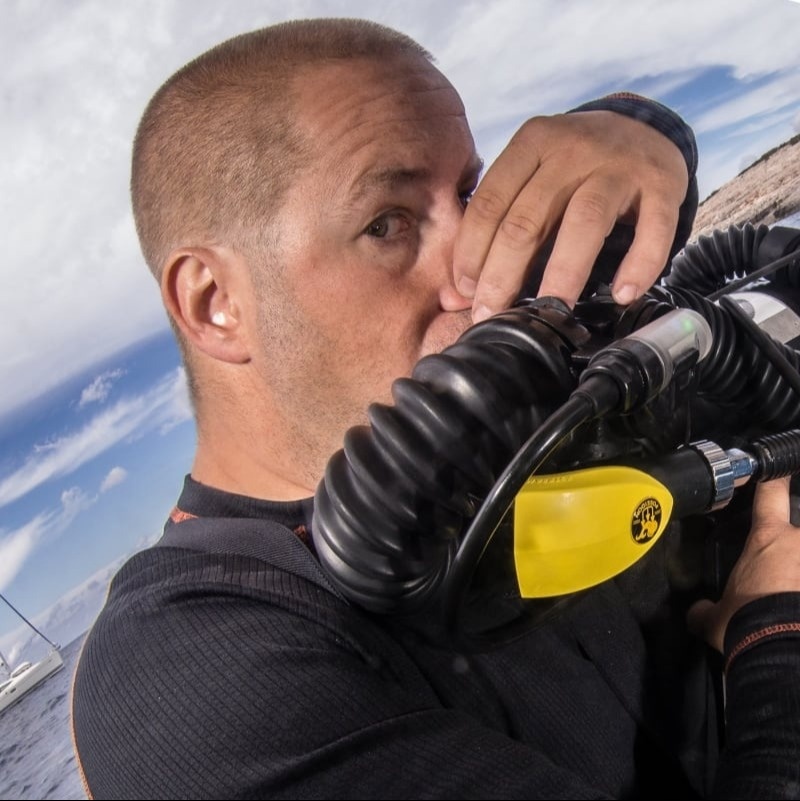
I am a diver. I am also diving instructor. I have been writing articles about diving, teaching and learning diving and diving safety. In 2020, I have engaged in Human Factors Training. Since then I have been writing and translating articles, and sharing HFiD ideas within Polish diving community.
The relationship between national culture and safety culture: Implications for diving safety and organizational culture
In high-risk industries, it has been recognised that national culture impacts risk perception, acceptance and compliance with rules and regulations. As diving is an international activity, this presentation will take what has been learned elsewhere and applies it to diving
Long Bio:
I am a diver. I am also a diving instructor. I have been writing articles about diving, teaching and learning diving and diving safety. In 2020, I have engaged in Human Factors Training. Since then I have been writing and translating articles, and sharing HFiD ideas within the Polish diving community. I am also passionate about technical diving. I have been diving for almost 18 years. I used to believe that deep diving, technical diving, or rebreather diving is what interests me at most. But with time I realized that self and diving team development, its what keeps me going. Completing more advanced dives and engaging in more complex projects. I am also a cross-cultural psychologist. Diving is interaction. With ourselves, with others. How we dive, how we teach diving, why we act the way we do. It is how we create and manage the diving environment. I have been dive centre manager in Poland for nearly 5 years. Diving and teaching in cold Baltic waters. Then for another 5 years, I was managing a dive centre in Croatia. Working in a different culture, building up a team, managing a company and teaching technical diving. Human Factors in Diving is a natural continuation of my personal development, and opportunity for me to contribute.
Cdr Geir Gundersen
Crew Resource Management in military diving operations......14:00-14:50 Hall 2
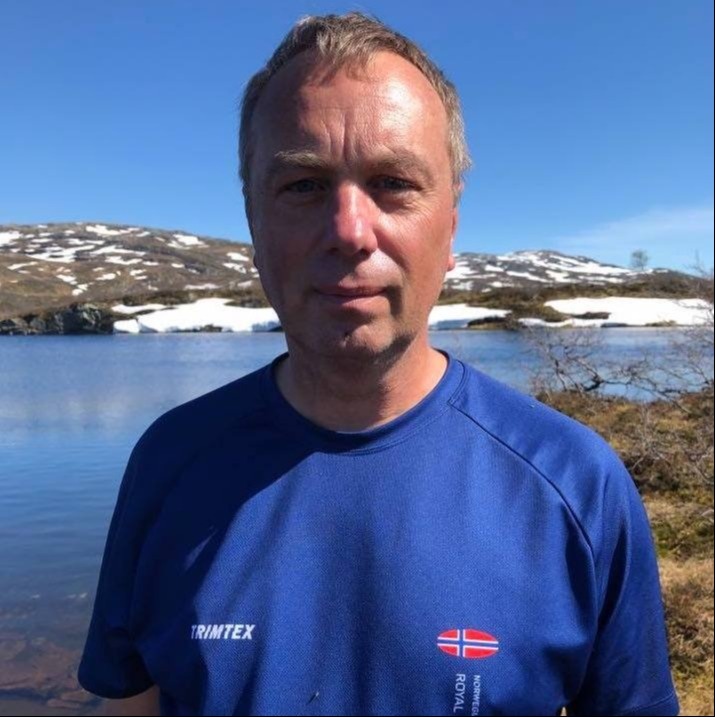
Cdr Gundersen has been a Military clearance diver since 1989 and now the head of the diving department within the Norwegian Military Diving Centre. He has undertaken a number of CRM instructor courses and brought CRM into the Norweigan Diving Centre in 2004.
Crew Resource Management in military diving operations
Military divers work in teams where stress, decisions, teamwork, attitudes and positive culture are critical elements in success. This presentation focuses on how to minimize the risk and use CRM at an operational level in military diving operations.
Long Bio:
I started Scuba diving in 1985 and completed the military clearance diver course in 1989. I have been working as a clearance diver in the Norwegian Navy and later as a ships diver for the Norwegian coast guard. I have also been working as a sport diving instructor for several years. Since 2006 I have been head of the Diving Department, Norwegian Naval Diving Center. I joined the first CRM course at SAS flight academy, Stockholm, in 2004, and was certified as a CRM instructor at US navy aviation school, April 2018. The Norwegian Naval diving centre has educated dive supervisors with CRM as a baseline since 2004.
Vallorie Hodges
Preventation is not enough......Day 1, Room 1, 12:00-12:50
Vallorie Hodges is the University Diving Officer and Safety & Wellbeing Advisor at the University of Tasmania with a passion for human factors and safety differently.
Prevention is Not Enough
Regardless of how much effort we make to prevent diving incidents, they will still occur, so we must also be able to respond when things go badly. This session uses a simple visual model to show how we can balance prevention, innovation in the moment, and response to an event, and highlights how learning creates a feedback loop to dynamically improve the entire system.
Bio:
Vallorie Hodges is the University Dive Officer and Safety & Wellbeing Advisor at the University of Tasmania, Australia. She has an extensive background in safety, diving instruction, and scientific diving with expertise in risk management, learning reviews/investigations, functional (fitness) testing, aquarium diving, safety culture, and diving with captive sharks. Her experiences span careers in law enforcement, journalism, search and rescue, occupational diving, and safety and wellbeing.
Ms Hodges was inducted into the Women Diver’s Hall of Fame in 2004 and received the 2012 Divers Alert Network Member’s Choice Award for establishing a culture of dive safety within the community. She has served on the boards of the American Academy of Underwater Sciences and the Association of Dive Program Administrators and has authored and presented numerous papers and publications. Ms Hodges lives in Mountain River Tasmania and is an avid musician.

Robin Kirkpatrick
Commercial diving accident: lessons for technical and recreational divers......Day 1, Room 1, 13:00-13:50
I’ve been a diver since the 1970s and freely admit to a particular passion for wrecks but actually, my real passion is diving, diving of any form.
Commercial Diving Incident: Lessons for Technical & Recreational Divers
A number of Human and Organisational Performance factors resulted in a near fatal DCS incident during a surface supplied air range commercial dive. This presentation provides an invaluable insight drawing clear parallels with recreational and technical diving.
Bio:
A mariner by profession, I served at sea for over twenty years, eleven of these as ship captain commanding various vessel types but latterly mainly complex offshore oil and gas support vessels. This first brought me into contact with the offshore world of sub-sea engineering and commercial diving. Progression ashore into various ship management and shipping director roles I was involved in bringing a number of sophisticated vessels into service from design all the way through construction and into operation. Many of these vessels were (and are) actively involved in commercial diving operations. Retiring as CEO of a large international shipping company I now provide management consultancy services across a broad international business spectrum. I first met Gareth Lock a number of years ago on a Gema Sim course and was struck by the Human Factors aspects which translated across the entire diving and business spectrum. Understanding and leveraging Human factors plays a big part in everything that I do. Along with helping many businesses to improve, I also provide executive mentoring and of course make time to dive. I recently (along with three diving colleagues) decided to give something back to this wonderful world in which we live and created a Not For-profit entity aimed at supporting the better understanding of the marine, inter and subtidal environments through the medium of Citizen Science. This is a work in progress and we expect the first formal output from this to reach the public domain within this year, 2021.
Pierre Le Fevre
How human factors can influence the outcome in commercial diving......10:00-10:50 Hall 2
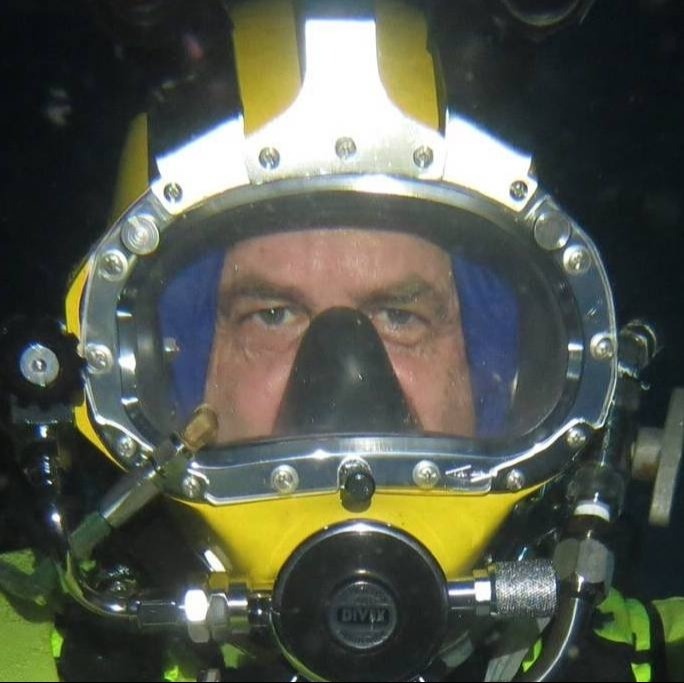
Pierre has been an active commercial diver since 1981. Worked from 1981 to 1988 doing inland work and from 1989 onward offshore air diving and saturation diving around the world.
How human factors can influence the outcome in commercial diving
This presentation is about an accident that happened in the North Sea in 2016 and how by including human factors prior to the beginning of the project a serious undesired event could have been avoided.
Bio:
Have been an active commercial diver since 1981. Worked from 1981 to 1988 doing inland work and from 1989 onward offshore air diving and saturation diving around the world.
Gareth Lock
A Voyage of Discovery and Change......Day 1, Room 1, 10:00-10:50
The Messy World of Diving: Diving as Imagined vs Diving as Done.....Day 2, Room 1, 14:00-14:50
Continuing the Voyage.....Day 2, Room 1, 17:00-17:50
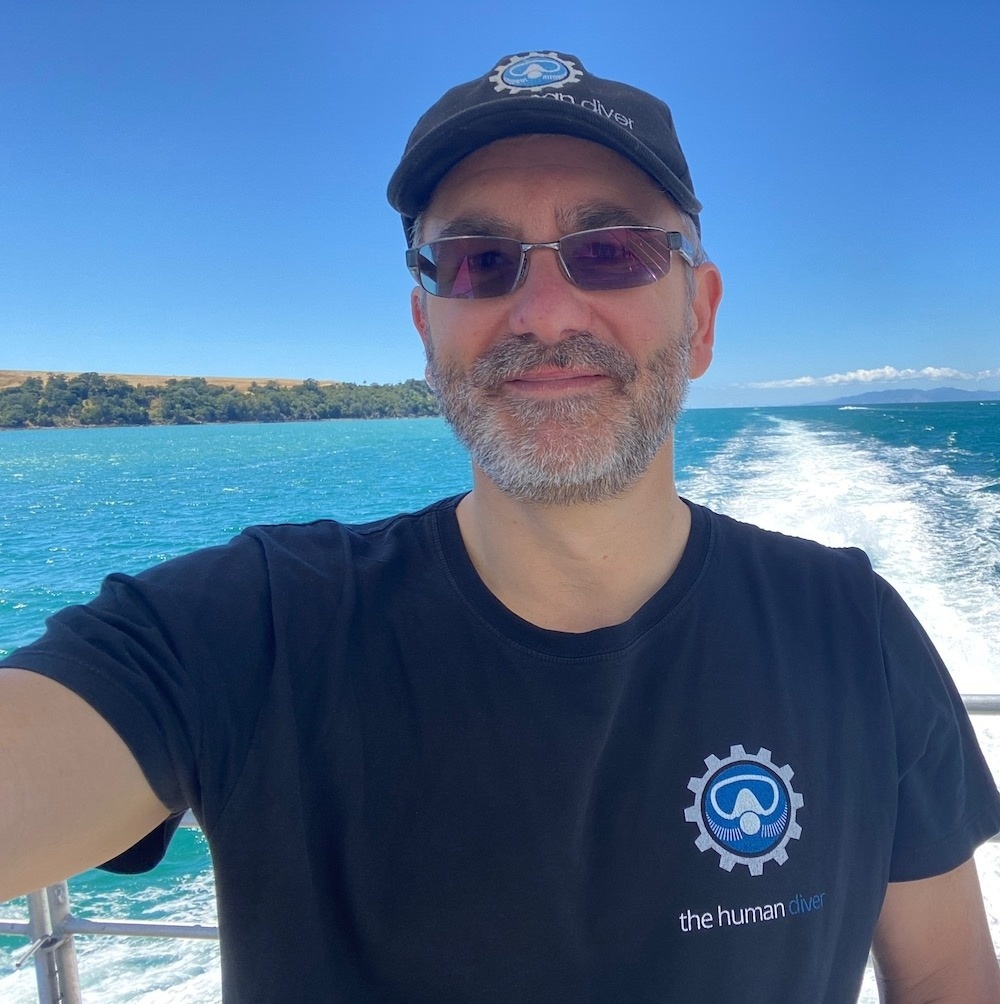
Gareth is the founder of The Human Diver, an organisation whose goal is to bring HF, non-technical skills and a Just Culture into the diving domain. He has been working on this since 2010 and would never have thought he'd be running a conference on it!
Voyages of Discovery and Change and the Messy World of Diving
Voyages of Discovery and Change:
In 1936, a critical event happened that changed aviation safety and saved Boeing from bankruptcy. It was the development of a checklist to help pilots remember critical steps. In 1947, researchers Fitts and Jones published a paper that said “Practically all pilots of present-day AAF aircraft, regardless of experience or skill, report that they sometimes make errors in using cockpit controls.". The point they were making was that human error was everywhere and they needed to design 'systems' to take human variability into account.
Over the coming decades, change happened but it wasn't easy. People don't like change, but when those in charge realised it could save them money, and increase their positive reputation, they started to build human factors and non-technical skills into their aircrew, engineering and ATC training programmes.
Over time, these programmes have been copied and modified to allow them to be used in healthcare, oil & gas, nuclear power, construction, veterinary practices, all with positive outcomes.
This introductory presentation will set the scene for the conference, highlighting the voyage divers have been on regarding HF in diving and what to expect over the two days of the conference.
The second presentation will look at the complex nature of diving and the difference between what should happen on instructional and 'fun' dives and what really happens, and more importantly, why. Recognising, understanding and addressing the gap between Diving as Imagined and Diving is Done is critical to improving diving safety.
The final, closing talk will be a synthesis of the lessons identified during the previous two days and so a detailed synopsis is not available.
Long Bio:
Gareth Lock retired from the RAF in 2015 after a 25-year career involving front-line operations, flight instructing, flight trials, research and development, systems engineering and procurement. Just before he left the RAF, he certified as a technical diver, and ever since, has been trying to bring the tools, skills and knowledge from aviation, healthcare, nuclear, oil & gas and other high-risk domains into diving.
In 2016, he formed the Human Diver and started delivering HF training. In 2019 he published Under Pressure: Diving Deeper with Human Factors and in 2020 he produced and released 'If Only...' which told the story of a diving fatality through the lens of HF and a Just Culture.
His ultimate goal is that The Human Diver is only involved in high-level instructor development and that the materials he and his team currently teach are formally incorporated into training agency, commercial, military, public safety diving and scientific diving training materials.
Jenny Lord
How to assess and develop Situation Awareness in others......13:00-13:50 Hall 1
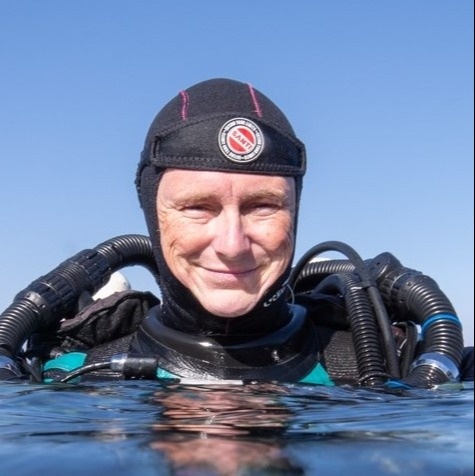
Jenny Lord is a TDI Instructor Trainer, Advanced mixed gas CCR diver and instructor for The Human Diver. She lives and works in Dahab, Egypt as a full time instructor of diving, photography and Human Factors.
How to assess and develop Situation Awareness in others
During this presentation, Jenny will explain what Situational Awareness is; how to assess a buddy or student’s awareness and how to help them improve. This is a must for anyone who has wondered why their buddy has done something very strange or illogical, and instructors who need to develop situational awareness in their students.
Long Bio:
Jenny Lord has been teaching and coaching for over twenty years. She started in the UK as an adventurous activities instructor teaching sports such as rock climbing, white water kayaking, sailing, skiing and caving. She often used these to develop her client’s teamwork, communication skills and leadership, with clients varying from corporate groups to schoolchildren to instructor trainees. Jenny noticed that most of these groups encountered the same problems and needed to learn the same skills set to solve them. When she moved to Egypt to teach scuba diving full time, she noticed a gap in the training and tried to fill in what she could. When she discovered Gareth Lock and his Human Factors in Diving course, she concluded that this was what had been missing and after completing the course as a student, was delighted to be able to continue on and become an instructor. She now wants to help others to fill in the gaps that are missing in conventional training and try to change the systems to make diving safer for everyone.
Laura Marroni
How are real dive emergencies managed? A behind-the-scenes look at selected cases. ......13:00-13:50 Room 2
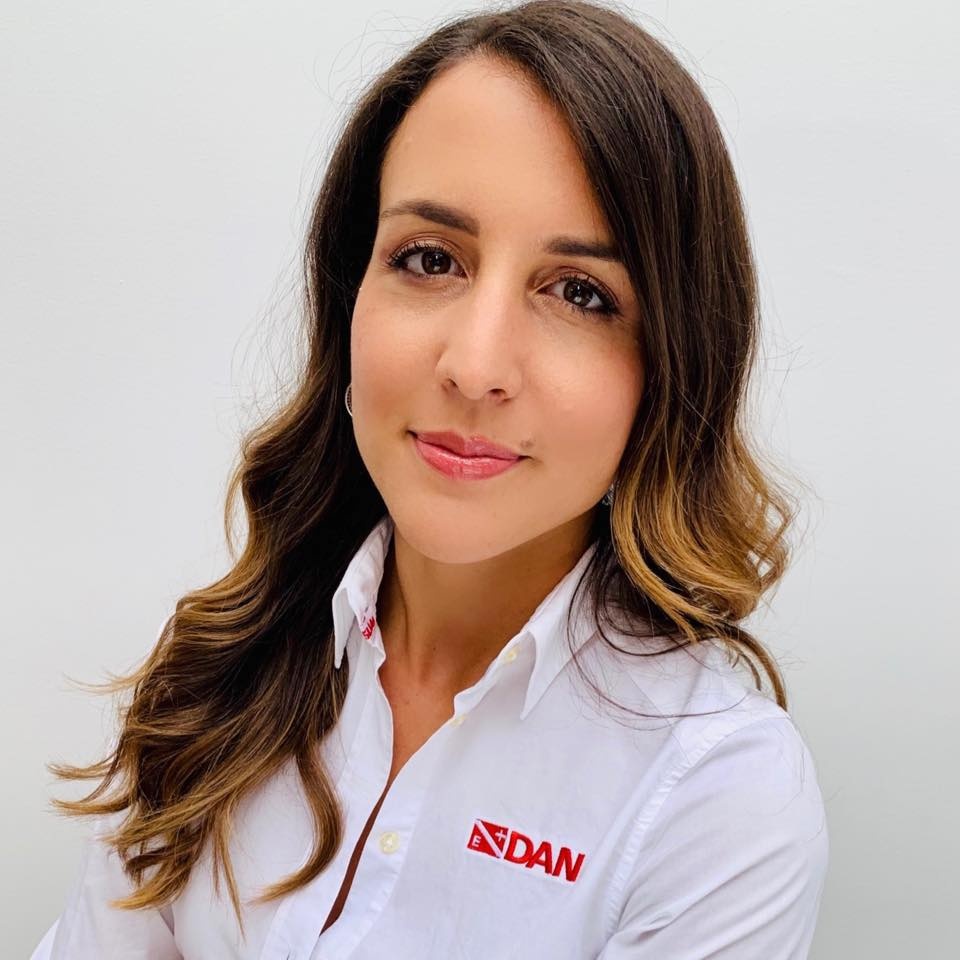
Laura is the Executive Vice President of DAN (Divers Alert Network) Europe, and a scuba diving instructor and a passionate technical and cave diver. Her mission is to help promote a culture of safety within the diving industry, continuing what the organisation that now she leads has been doing for over 40 years now.
How are real dive emergencies managed? A behind-the-scenes look at selected cases
The presentation aims at shedding more lights on what really happens when a dive emergency occurs, from initial response to final analysis. Some real case scenarios will be provided, to add a more practical, concrete perspective on the subject.
Long Bio:
Laura is the Executive Vice President of DAN (Divers Alert Network) Europe, where she is responsible for the oversight of all strategic and operational activities. Her mission is to help promote a culture of safety within the diving industry, in continuity with what the organisation that now she leads has been doing for over 40 years now.
She graduated in Economics (B.Ec) at USI - Università della Svizzera Italiana, Lugano, and holds a master degree in Business Administration (MBA) from Heriot Watt University - Edinburgh Business School. She is currently attending a Master Degree in International Marine Science at Heriot Watt University - Edinburgh.
Growing up by the sea in a small town along the Adriatic Coast in Central Italy, she started diving at the age of 8, and has ever since been Inspired by a limitless passion for the underwater world. She is now a diving instructor and a passionate tech and cave diver.
Mike Mason
Be a better Dive Master. Apply Human Factors......Day 1, Room 2, 12:00-12:50
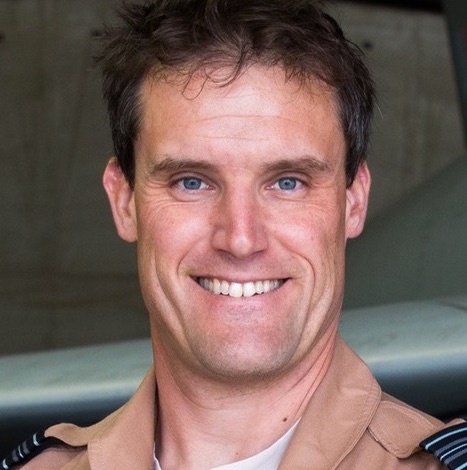
Mike is an experienced military pilot and flying instructor in his day job and works as a Dive Master at weekends. He is also training to become an instructor for The Human Diver and is always striving to improve diving by applying Human Factors.
Be a better Dive Master. Apply Human Factors.
Everyone loves a story. We'll look at some real-life diving incidents involving Dive Masters and draw Human Factors lessons from them. Mike will also provide some specific advice on how Dive Masters can apply Human Factors to make their diving and that of their customers safer, more productive and more enjoyable.
Long Bio:
Mike Joined the Royal Air Force over 20 years ago and has spent most of his career flying Fast Jets. He is a qualified flying instructor and experienced flying supervisor. He recently left the RAF and joined the Royal Australian Air Force where he teaches their young pilots to fly the Hawk jet-fighter trainer. He is also a qualified Commerical pilot. He has been diving regularly since 2016 and has a mix of over 300 OC and CCR dives in his log book and works part time as a PADI Dive Master locally in Australia. His experience in military aviation has given him a vast breadth of knowledge to take into other areas and he is constantly looking at ways to improve and help make his customers safer and get more out of their diving.
Dr Simon Mitchell
Bringing HF into Healthcare: Challenges and Successes......Day 2, Hall 1, 10:00-10:50
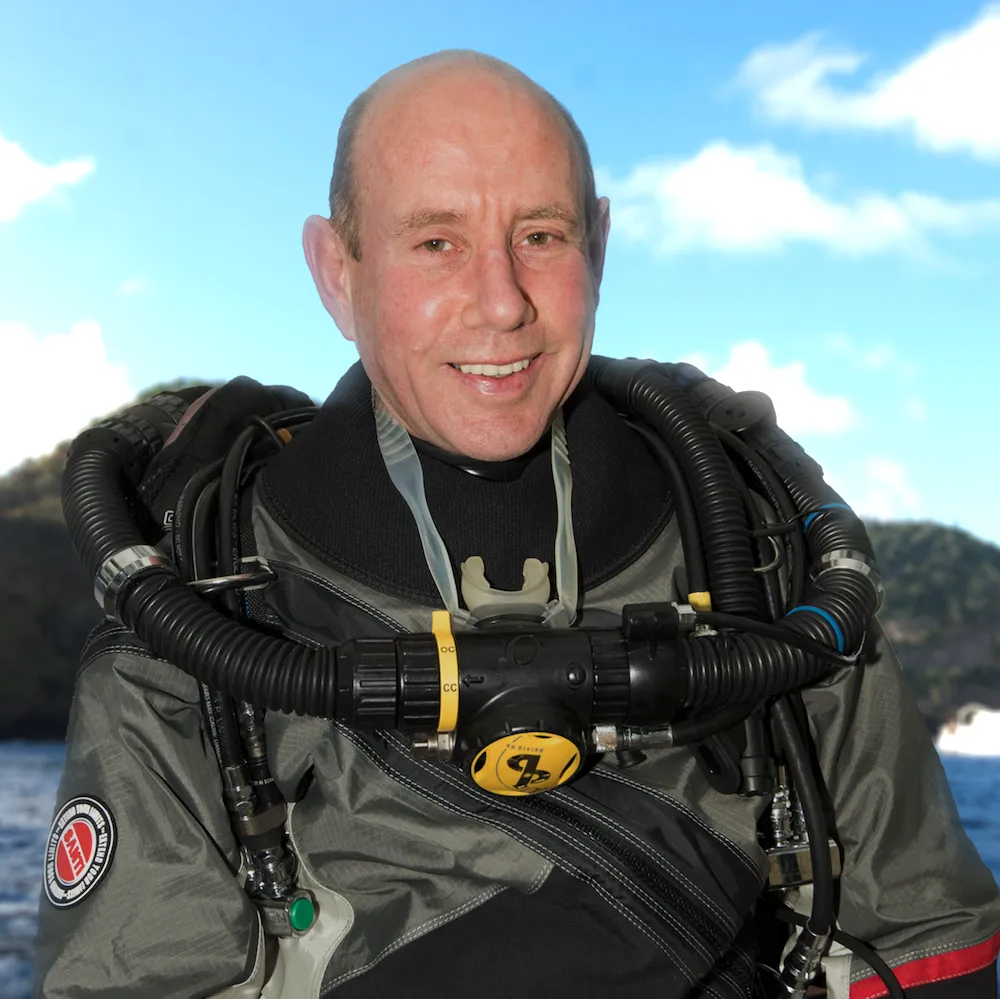
Simon is the Professor of Anaesthesiology at the University of Auckland, and a very experienced rebreather diver. He was a member of the original WHO Surgical Safety Checklist study group, and since that study has undertaken extensive research aimed at optimising checklists and their use in the operating room environment.
Bringing HF into Healthcare
There are many parallels between the complex processes involved in surgery and technical diving; particularly the potential for errors and omissions to result in adverse outcomes. In both fields there has been reluctance to acknowledge human fallibility and embrace strategies to reduce error, but the extraordinary success of simple interventions (particularly checklists) in improving outcomes among surgical patients should now remove any doubt in divers' minds that embracing strategies such as checklists will improve their safety too.
Long Bio:
Simon is a physician and scientist with specialist training in diving / hyperbaric medicine and anaesthesiology. He is widely published with over 160 papers or book chapters. He co-authored the 5th edition of “Diving and Subaquatic Medicine” and the hyperbaric and diving medicine chapter for the last three editions of Harrison’s Principles of Internal Medicine. He has twice been Vice President of the Undersea and Hyperbaric Medicine Society (USA) and in 2010 received the society’s Behnke Award for contributions to the science of diving and hyperbaric medicine. He has performed substantial research on patient safety in the operating room. He now works as a consultant anaesthetist at Auckland City Hospital, and Professor in Anaesthesiology at the University of Auckland. He provides on-call cover for diving emergencies at the North Shore Hospital Hyperbaric Unit in Auckland. Simon assumed the role of Editor-in-Chief of Diving and Hyperbaric Medicine Journal in January 2019.
Simon’s diving career has included more than 6000 dives spanning sport, scientific, commercial, and military diving. He has been a lead member of teams that were the first to dive and identify 3 deep wrecks of high historical significance in Australia and New Zealand. At the time of one of these dives (2002) the 180m depth represented the deepest wreck dive ever undertaken. He was elected to Fellowship of the Explorers’ Club of New York in 2006, and was the DAN Rolex Diver of the Year in 2015. His most recent substantive expeditions were Truk in November 2019, the Pearse Resurgence cave (New Zealand) in February 2020, and a Lake Taupo (New Zealand) project to take arterial blood gas specimens from an elite freediver at 60m in February 2021.
Darryl Owen
How HF can help manage risks in a busy dive centre......12:00-12:50 Hall 1
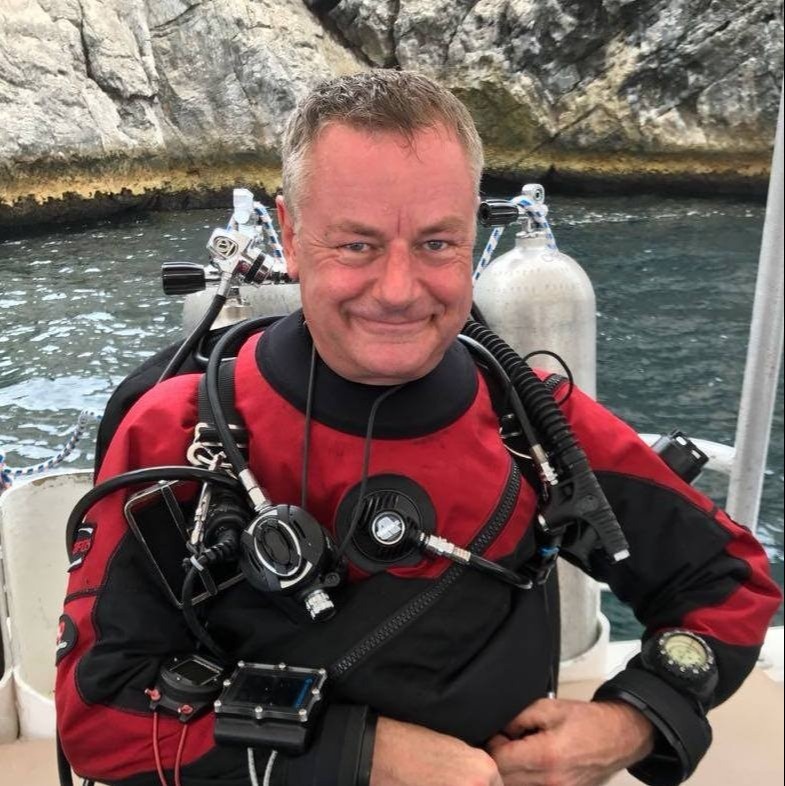
Darryl Owen is a UTD Technical Instructor, RAID Instructor Trainer and Examiner and an Instructor for The Human Diver. He lives in the United Arab Emirates and owns dive centres in both the UAE and Oman that specialise in education, exploration, marine science and photography and videography.
How HF can help manage risks in a busy dive centre
Busy dive centres are always under pressure to keep to the schedule, make the customers happy and meet their financial goals. Doing all that while managing safety and minimising risks is a daily challenge for dive centre management teams. This presentation talks about how HF can help.
Long Bio:
Darryl served in the British Army and has been an expat for the last 30 years in a variety of senior management roles in the software and management consultancy sectors. He has been building high performance teams in the software and services industries for much of that time and has gained extensive change management experience across diverse industry sectors. He is a technical instructor for Unified Team Diving (UTD) as well as an instructor trainer, examiner and course author for RAID and owns several dive centres in the UAE and Oman together with his wife, Marine, who is also an Instructor Trainer for UTD and an Instructor Examiner for RAID. Together they share a passion for anything submerged with rust on it and have founded an academy in the UAE to promote education for divers and dive professionals that includes marine biology and conservation, marine archaeology, photography and exploration. He has accumulated more than 4,000 dives in locations all over the world.
Helene Pellerin
Human Factors for Novice Divers: Why and How? ......15:00-15:50 Hall 2
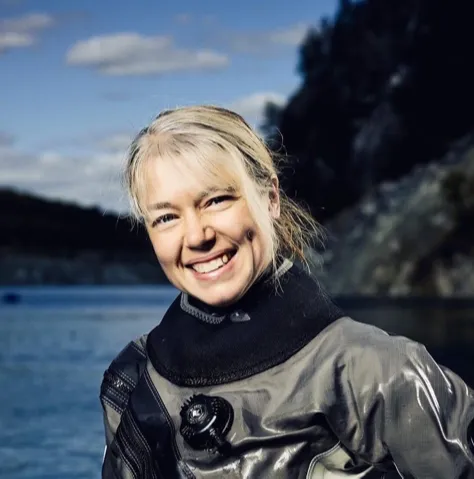
Helene Pellerin is part of the first cohort of instructors for the Human Diver. She is an Anesthesiologist from Quebec City, Canada and she has a high interest in sharing knowledge on human factors and non-technical skills to divers of all levels.
Human Factors for Novice Divers: Why and How?
Why human factors are important even for the new diver and how to introduce these concepts without overwhelming them.
Long Bio:
Helene Pellerin is from Quebec City, Canada. She is an Associate Professor of Anesthesiology at Universite Laval in Quebec City, and she is an instructor at the simulation centre of the Faculty of medicine of Universite Laval, where she teaches Crisis Resources Management and Teamwork. She is a member of the first cohort of graduates from the Human Diver’s HF instructors’ academy. The Human Diver programme was a fantastic opportunity to move her interest in human factors from her professional life to diving.
Beatrice Rivoira
Message Not Delivered – when communication fails us......11:00-11:50 Hall 2
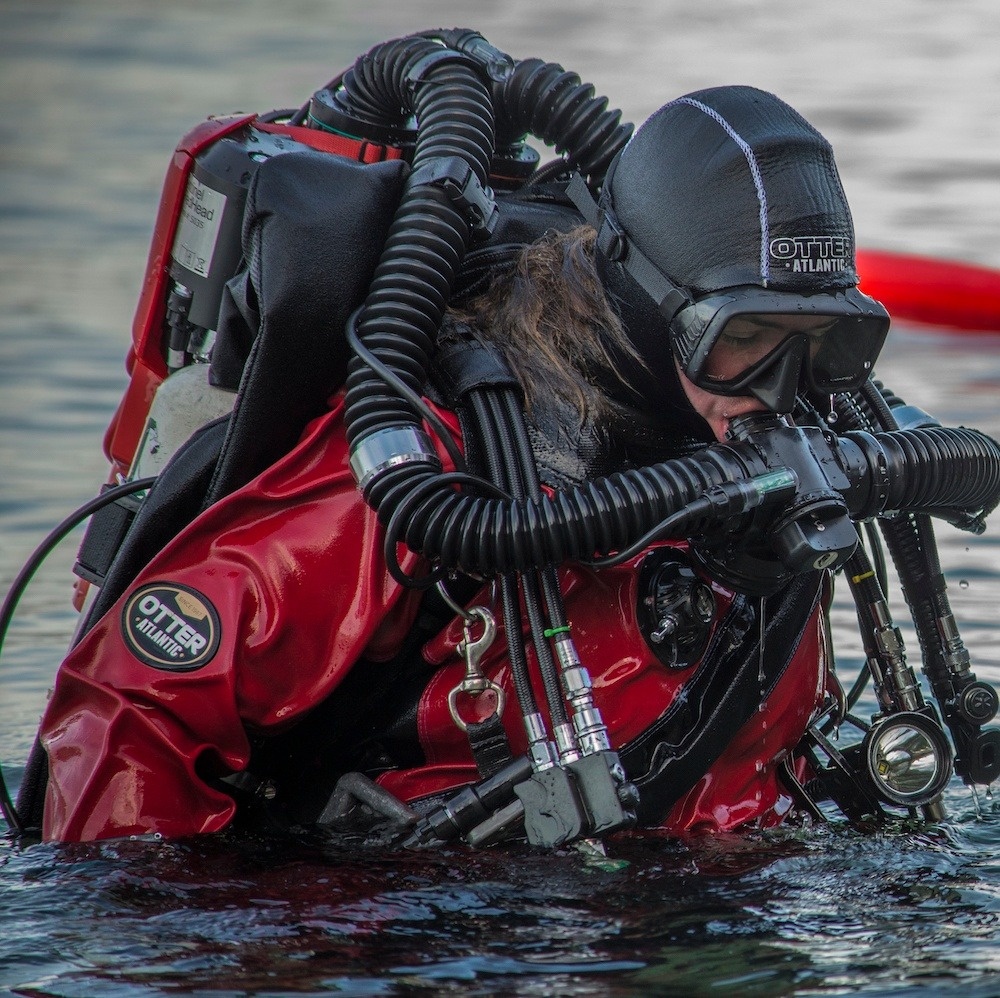
Beatrice is an Italian vocational diver with a Master’s Degree in Marine Biology and Oceanography. She works around the world as a CCR & OC instructor and participates in diving projects. Delving into HF has been the natural consequence.
Message Not Delivered – when communication fails us
Surface and underwater communications play a crucial role in our diving activity. What happens when they fail and why does it happen?
Long Bio:
Beatrice is an Italian vocational diver with a Master’s Degree in Marine Biology and Oceanography. With 20 years of diving experience, she works around the world as a CCR & OC instructor, and participates in biological and archaeological underwater projects.
Since 2013, she has been part of “Zero Emissions” with which she continues to teach and educate. She co-authored the book “Biodiving”, translated and contributed to several diving texts and articles.
Safety has always been a priority for Beatrice and Gareth Lock's HF classes strongly influenced her approach to diving and teaching. She has continued to delve deeper into the subject and is now working her way towards becoming an instructor.
Dr Mike Rothschild
Checklists save lives......Day 1. Room 1, 15:00-15:50
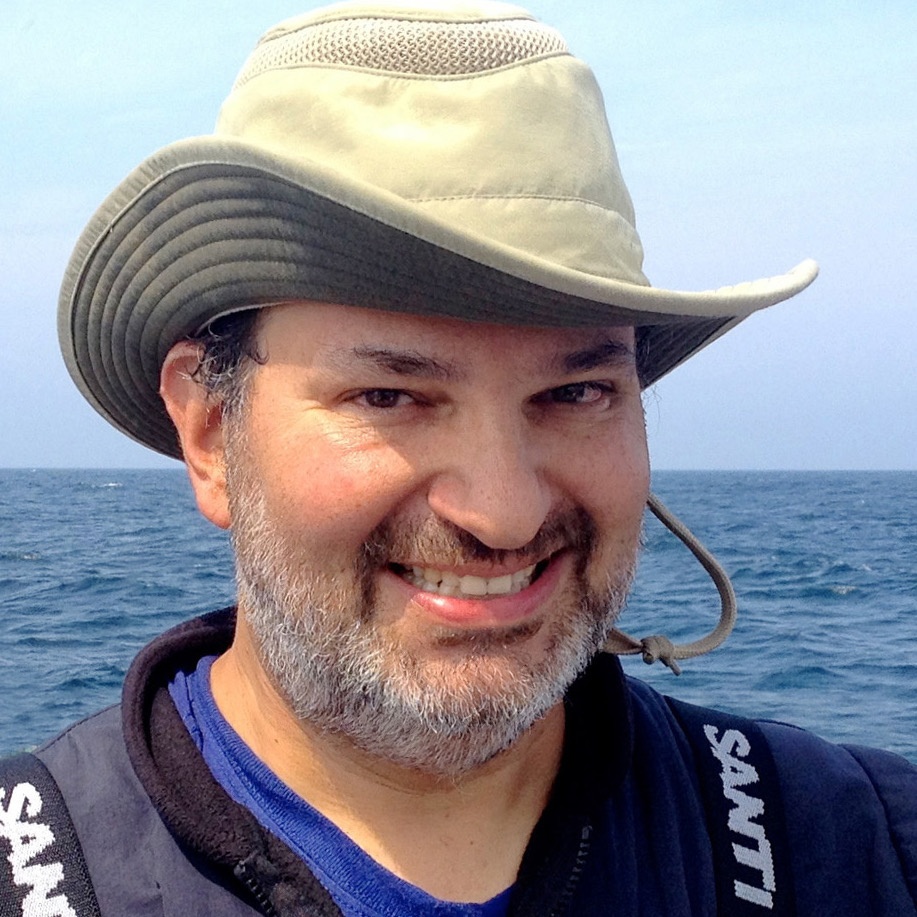
I am a pediatric otolaryngologist in New York City, a technical rebreather diver, past-president and dive chair of the New York City Sea Gypsies, and a medical moderator on scubaboard.com. I have published a number of articles (most recently one on mixed rebreather and open circuit dive teams) and I have created and distributed a popular rebreather checklist sticker.
Checklists Save Lives
In a number of fields involving the chance for operational failure resulting in injury or death, written checklists have saved lives. This presentation will discuss their use in areas such as scuba diving, surgery and aviation.
Long Bio:
I am a pediatric otolaryngologist in New York City and a technical rebreather diver. I have served as the president and dive chair of the New York City Sea Gypsies, and I am a medical moderator on scubaboard.com. I am also an avid underwater photographer and videographer, and currently the co-director of the New York Underwater Photographic Society.
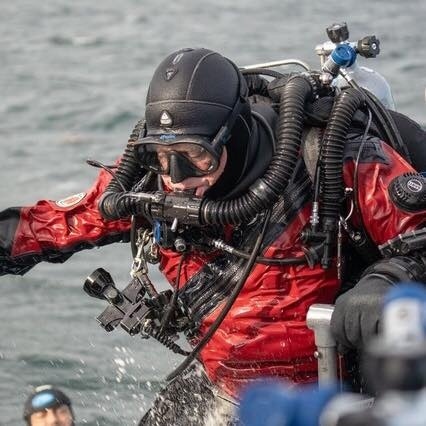
Guy Shockey
Putting HF into Technical Diver Training Programmes......Day 1, Room 1, 16:00-16:50
Guy Shockey is a full time Global Underwater Explorers Instructor Evaluator who teaches all of GUE’s technical diving courses including both OC and CCR. He is a former military officer with experience in military aviation and has a graduate degree in political science. He is also one of the first Human Diver instructors and he is passionate about including Human Factor’s training in all his technical dive training.
Putting HF into Technical Diver Training Programmes
It is possible to work human factors training into a technical diving class in such a fashion as it is continually reinforced and referenced in nearly all aspects of training.
Long Bio:
Guy learned to dive in 1982 in a cold mountain lake in Alberta, Canada. He has been a GUE instructor for 12 years and regularly travels the world delivering GUE technical and instructor development programs. He is a former military officer with hands on experience of working in a “just culture”. He is a nationally accredited Skydiving instructor and coach and former professional hunter. He has a graduate degree in political science and has worked in multiple different “high risk” fields. He was one of the first cohort of instructor candidates for the Human Diver instructor program and has presented to multiple organizations on HF in diving. He has worked to include Human Factors concepts into all his training programs and reinforces this message in the various dive communities that he participates in.
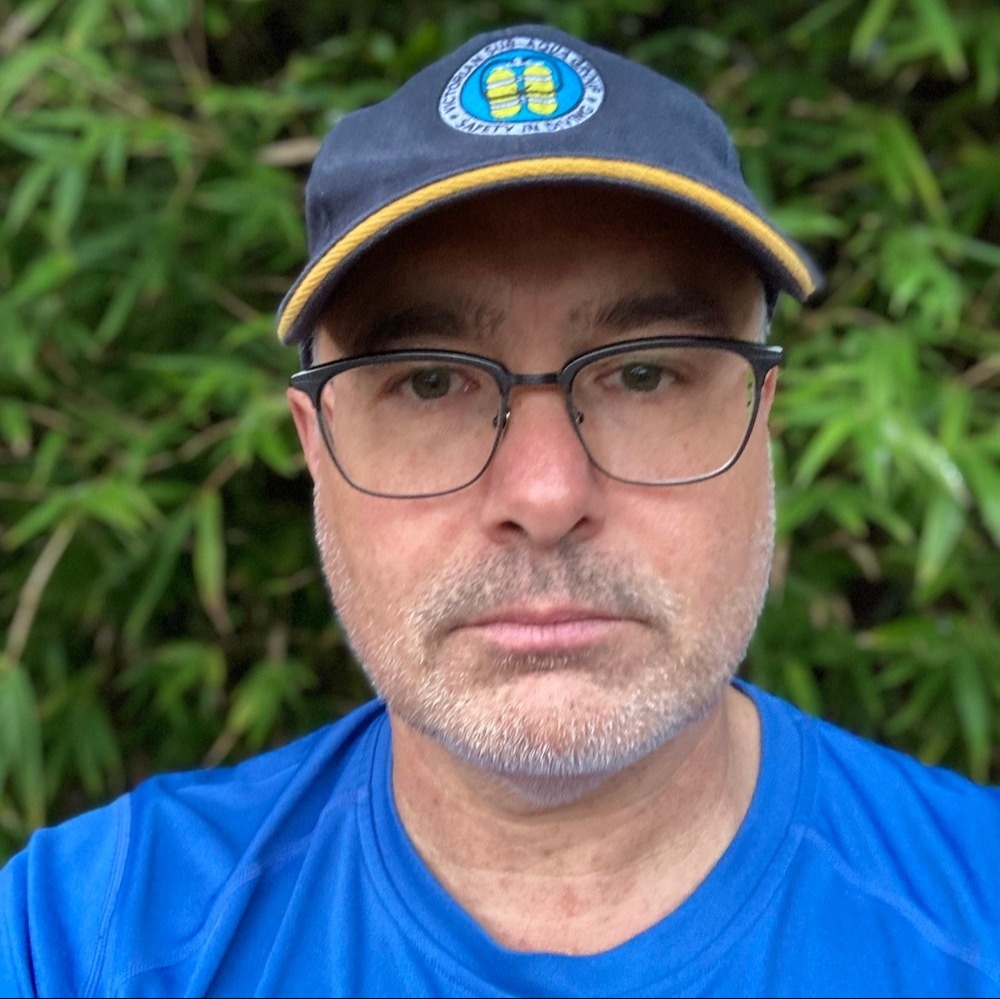
Matthijs Smith
Changing attitudes to mistakes in your dive club......Day 1, Room 2, 11:00-11:50
Matthijs is an active recreational diver based in Melbourne and is the current President of the Victorian Sub-Aqua Group, one of the longest-running dive clubs in the world.
Changing attitudes to mistakes in your dive club
How do you change how a recreational dive club thinks and talks about things when they go wrong and how do you use these experiences to improve the learning and safety of its members? Matthijs' talk will go through his dive club has approached this, some of the wins we have had, and also some of the challenges involved in introducing the training in Human Factors and creating a Just Culture into a social dive club
Long Bio:
Having spent his youth watching Jacques Cousteau and want to be a marine biology, Matthijs was first trained to scuba dive in the early ‘80s while at university in Dunedin, NZ. However he only started diving regularly 4 years ago when he retrained along with his son Dylan. Matthijs is now President of the Victorian Sub-Aqua Group (VSAG), one of the longest-running dive clubs in the world and is an active, recreational diver spending hours under the piers looking at wildlife and exploring the incredible wrecks and walls that are readily accessible in Melbourne, Australia.
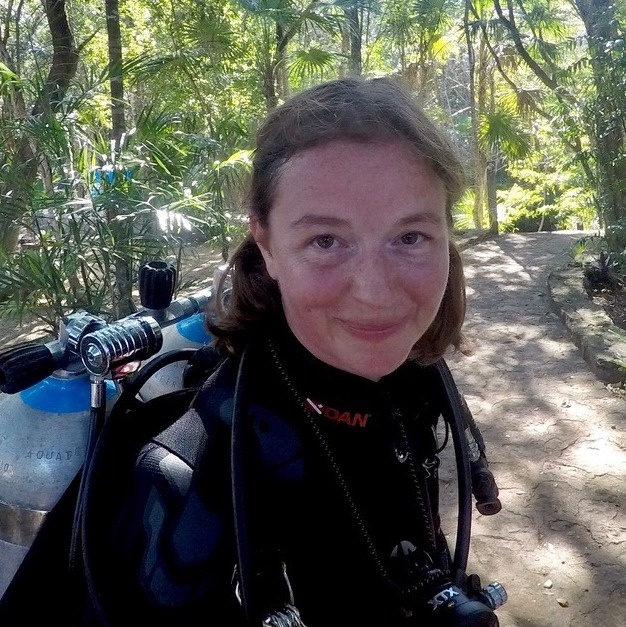
Dr Frauke Tillmans
DAN Incident Reporting - a work in progress......Day 1, Room 2, 16:00-16:50
Frauke Tillmans is the Research Director at Divers Alert Network. With a PhD in human biology and extensive experience in different areas of diving, including recreational, technical, cave, scientific, and public safety, she has brought some new perspectives into the injury monitoring initiatives at DAN.
DAN incident reporting - work in progress
This talk is going to introduce you to the DAN Diving Incident Reporting System (DIRS), how it started, where it stands now, and where it is headed. DIRS is a research tool and is meant to provide divers with feedback on incidents and near misses they report voluntarily and give other divers the chance to learn from those shared experiences.
Long Bio:
Dr. Frauke Tillmans is the Research Director at Divers Alert Network (DAN). She has a PhD in Human Biology and oversees DAN’s in-house research initiatives in injury monitoring, diving physiology, and population health, as well as the DAN Grant Program. A current focus for DAN includes acute diving injuries as well as long-term health effects of diving and extreme exposures. An avid and well-travelled diver herself, she has become DAN’s point of contact for national and global collaborations in diving-related research. Before joining DAN in 2019, Frauke participated in projects covering a variety of medical and health aspects in recreational and military diving. In addition to her research experience, Frauke is an experienced public safety diver, scientific diving supervisor and dive safety officer and diving instructor and has recently developed a passion for cave diving. Frauke’s commitment to safety is apparent in almost every activity she pursues and when she is not diving or supervising researchers, Frauke is an active volunteer firefighter who enjoys endurance and self-defence training. I am excited to speak at the virtual HF conference and engage with an audience that already values the concept of Human Factors. I cannot overstate the importance of communication and the willingness to learn from members of your team or other divers when it comes to diving safety and that will be the focus of this talk.
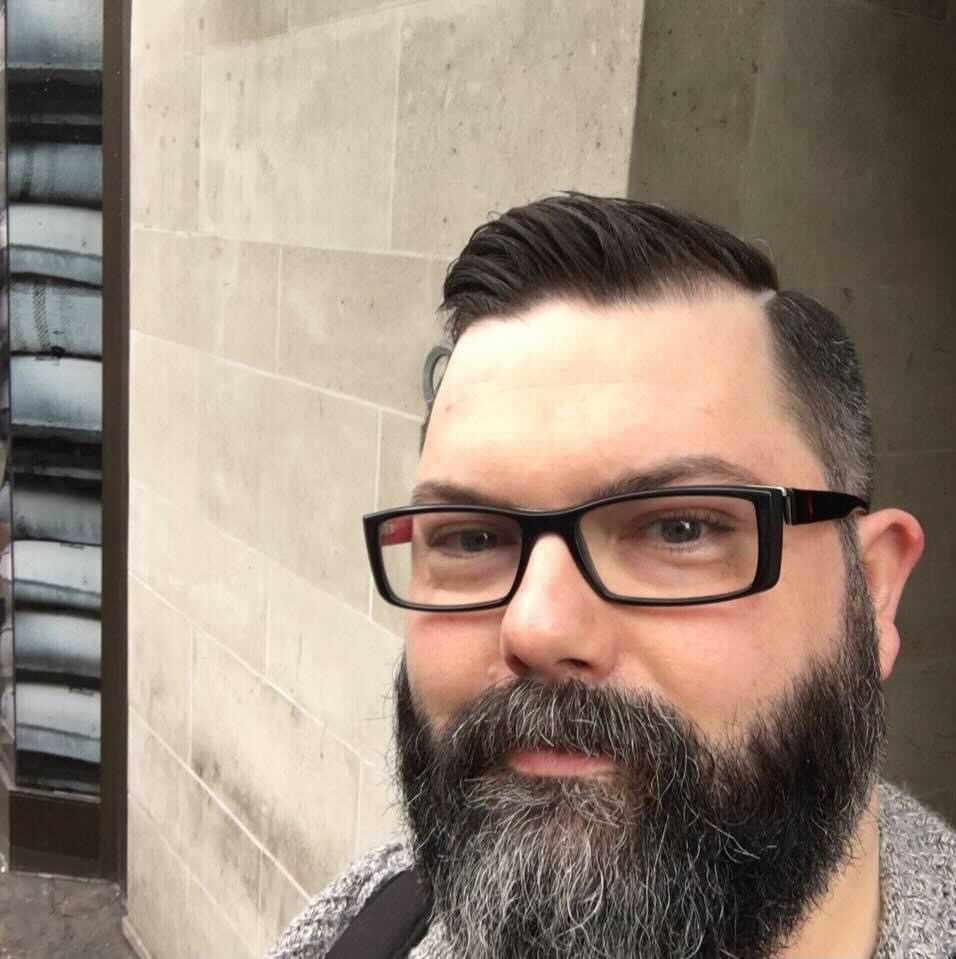
Chris Tibble
The Application of Human Factors as an Average Diver......12:00-12:50 Hall 2
Chris is, and always has been, an average diver.
The Application of Human Factors as an Average Diver
If you're an average recreational or tech diver, how can you integrate Human Factors into your diving?
Long Bio:
Chris learnt to dive in 1995 in the UK and has been consistently mediocre ever since.
He discovered tech diving in 1997 and as funds allowed dived in the UK and abroad, culminating in learning to cave dive in 2014, which now is his favourite way of diving.
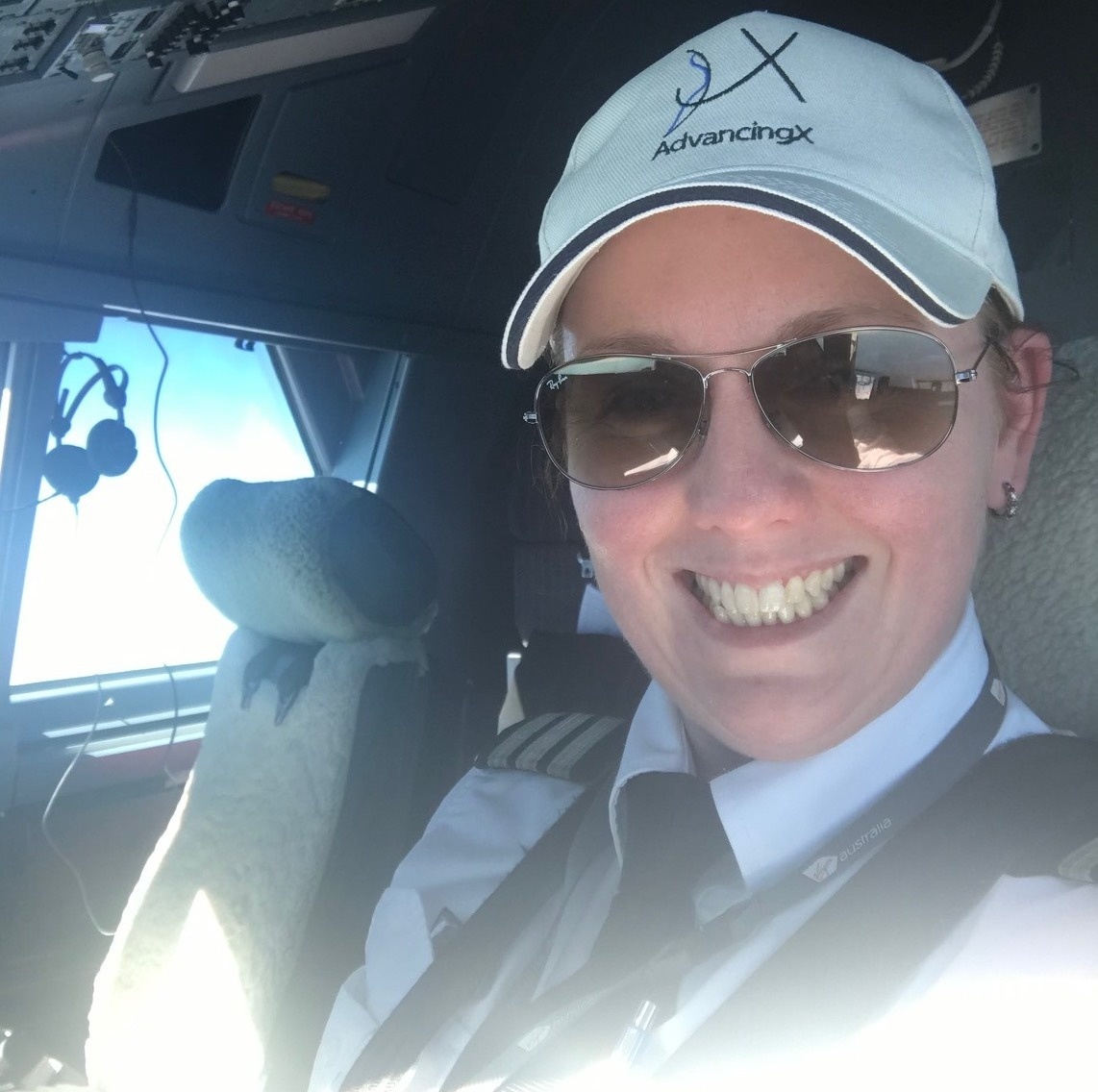
Sally Tindall
From the Stars to the Sea: How Aviation/Aerospace Human Factors has infiltrated Diving and how diving is improving our ability to go to space......11:00-11:50 Hall 1
Sally Tindall is a commercial airline pilot who took up diving to pursue her dream of becoming an astronaut. She had no intention of loving diving!
From the Stars to the Sea: How Aviation/Aerospace Human Factors has infiltrated Diving and how diving is improving our ability to go to space
Wanna know something cool? The early astronauts almost died when attempting spacewalks for the first time. Why is that cool??? Because it was astronauts who had experience in diving who succeeded in spacewalking, diving was a compulsory part of the space program.
Long Bio:
Born in Melbourne, Australia, Sally got into flying for two reasons. One: She wanted to be an astronaut. Two: Her brothers raced cars, and flying was the only thing she could think of that was faster!
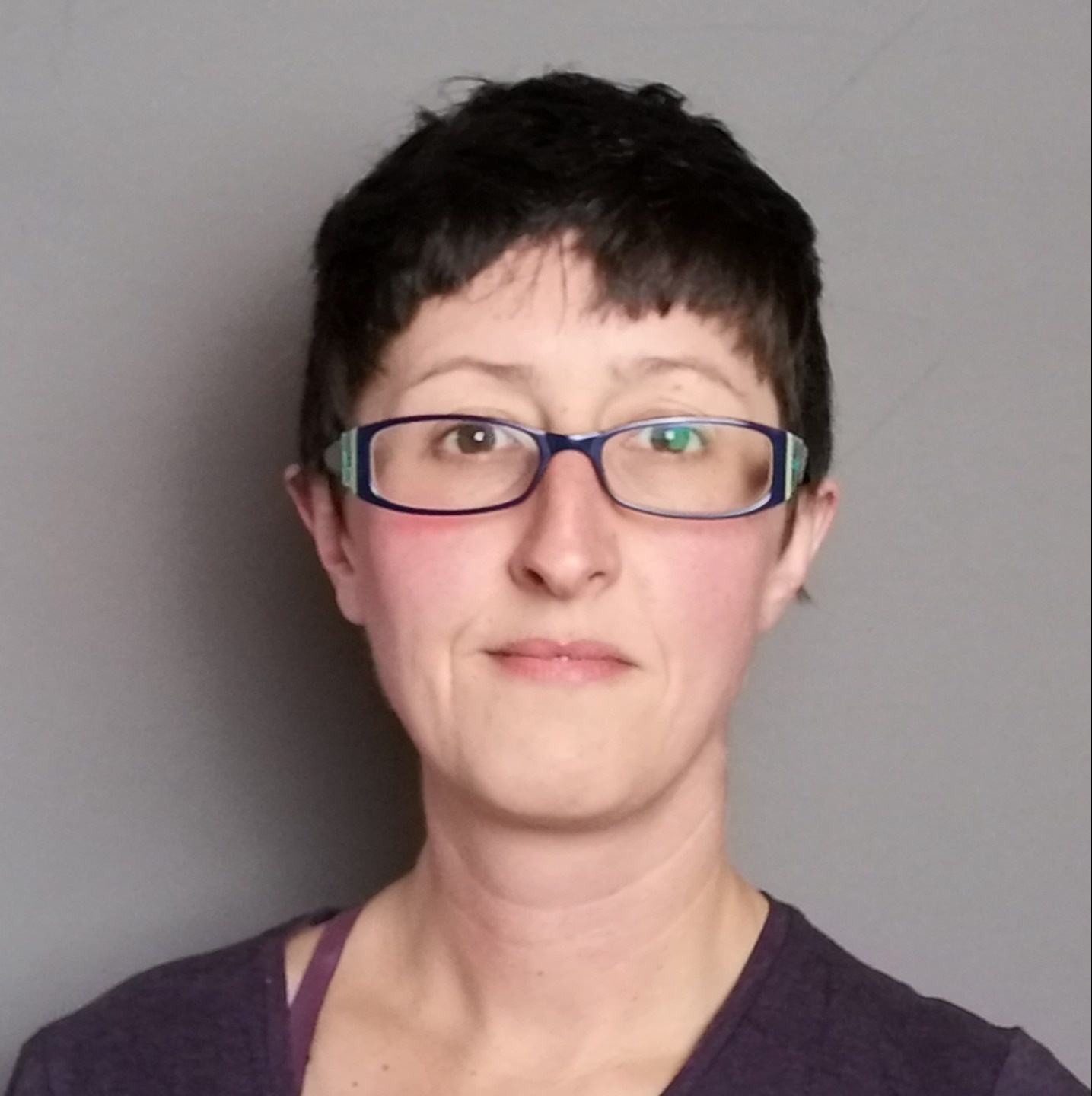
Dr Laura Walton
Facing diver panic to open opportunities for wider prevention......10:00-10:50 Hall 2
Dr Laura Walton is a Clinical Psychologist, specialising in Diving Psychology; and a Scuba Diving Instructor. Her perspectives on stress, anxiety and panic in diving arise from knowledge of psychological theory, clinical practice and informal observation of diver behaviour.
Facing diver panic to open opportunities for wider prevention
Entering a state of panic is always possible, even for well-equipped, experienced divers, but it is not inevitable. Building our awareness of the complex factors that interact to spark an episode of panic underwater opens multiple opportunities to face the problem of diver panic.
Long Bio:
Dr Laura Walton is a UK-registered Clinical Psychologist with experience of a wide range of mental health presentations, included anxiety, depression, psychosis and trauma-related conditions. Qualifying in 2010, at the University of Edinburgh, she initially worked for the NHS before beginning private practise in 2019. Offering remote services presented the opportunity to build a niche specialism in Diving Psychology, which is provided UK-wide within Fit To Dive Ltd. In this profession she supports scuba divers following distressing/traumatic diving experiences or seeking to improve their mental, or physical, health.
© 2026 The Human Diver