

HFiD: Applied Skills and LFEO: Applied Skills
You can read about human factors. You can watch presentations about human factors. Or you can practice it under pressure, debrief it honestly, and then go and dive it.
This is the only part of the conference that cannot be recorded and watched later. The HFiD: Applied Skills and LFEO: Applied Skills classes are experiential. They work because you are in the room with a team, under time pressure, making decisions with imperfect information and competing priorities, and then sitting in a debrief that asks you to examine why you did what you did.
That experience cannot be replicated on screen. It is why these classes, as standalone events, have been delivered to recreational, technical, scientific and military dive teams, firefighters, healthcare teams, and construction operations. It is why participants consistently describe a clear before-and-after.
And it is why the conference is built around them, not around the presentations.

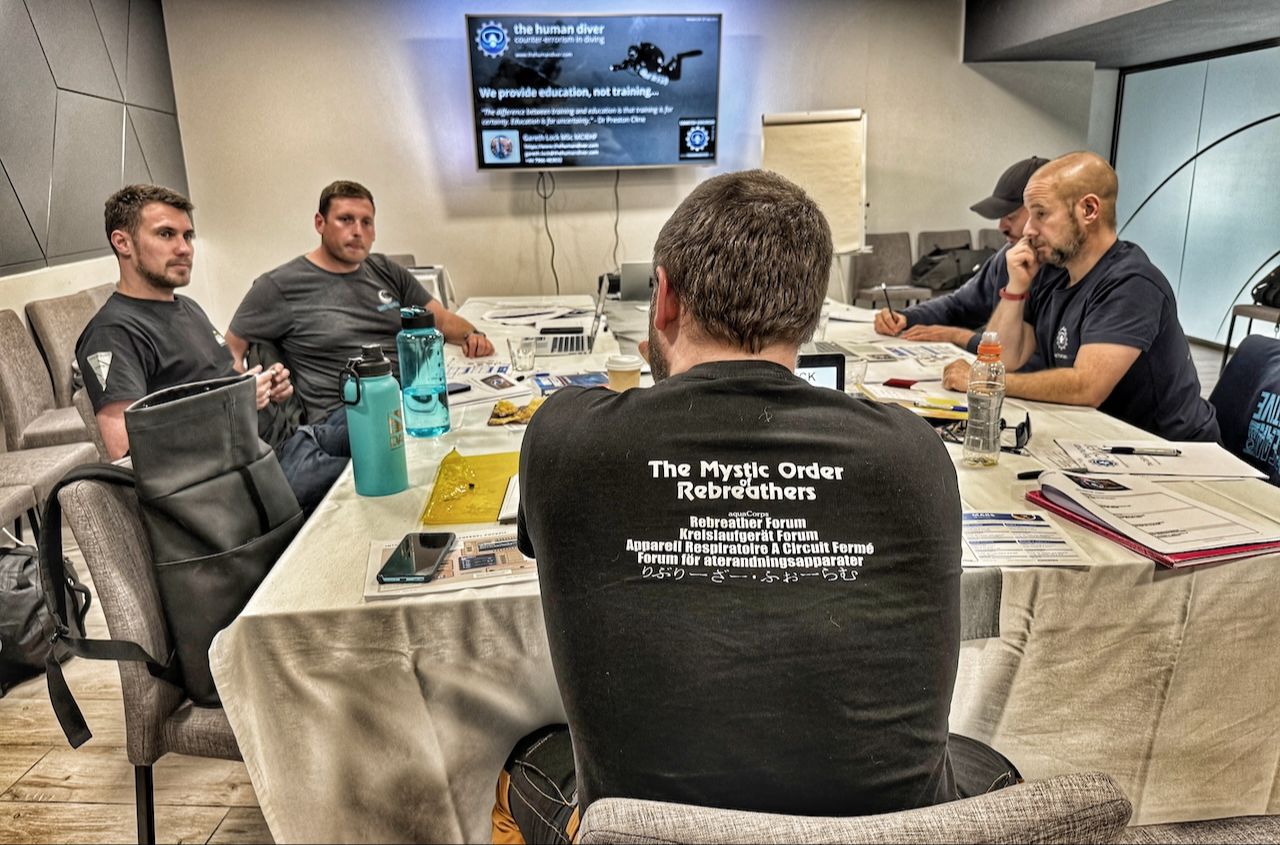
In the Classroom
The Human Factors in Diving Applied Skills class uses the Interpersonal Skills LAB — a structured simulation environment where teams operate a fictional spacecraft under conditions that make the human factors of diving come to life in an immediately legible way.
Communication. Briefing. Decision-making under uncertainty. Leadership and followership. Task allocation. Speaking up when something is wrong.
Each mission places the team in a situation where they are expected to fail on the first attempt. The debrief is structured, specific, and psychologically safe. The team identifies what happened, why it made sense at the time, what conditions made it likely, and what they will change. Then they run the next mission with those changes in place.
Over four half-day sessions across Monday to Thursday, each iteration makes the previous debrief tangible. By Thursday afternoon, the team has a shared language, a shared experience of failure and recovery, and a set of habits they can take directly into their diving.
This course is normally €600 as a standalone programme. It is included in the cost of your conference registration.
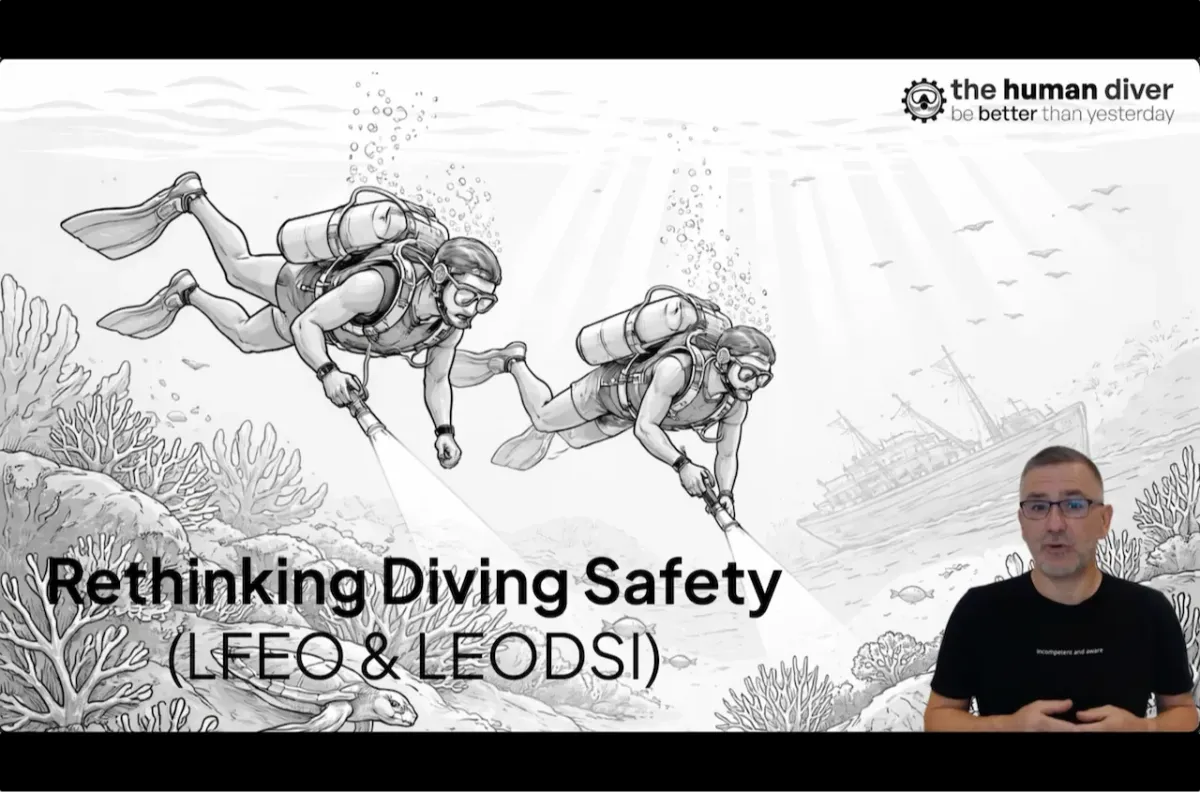
In the Classroom (LFEO)
Learning from Emergent Outcomes is The Human Diver's course for examining why things go wrong in a way that generates learning rather than blame. The LFEO: Applied Skills class gives you the tools, the language, and the practical experience to run a learning-focused review of any event — a near-miss, an incident, a dive that just felt wrong — and arrive at an answer that is more useful than 'human error.'
Participants will work through case studies and practical activities that build toward a specific outcome: the ability to look at what happened and say, genuinely and without performance, 'I understand how it made sense for them to do what they did.' That shift — from judgment to curiosity — is the foundation of a learning culture.
Attendees receive access to the online LFEO: Essentials programme and a signed copy of the associated book on publication.
You can see what outputs will look like if you look at these blogs.
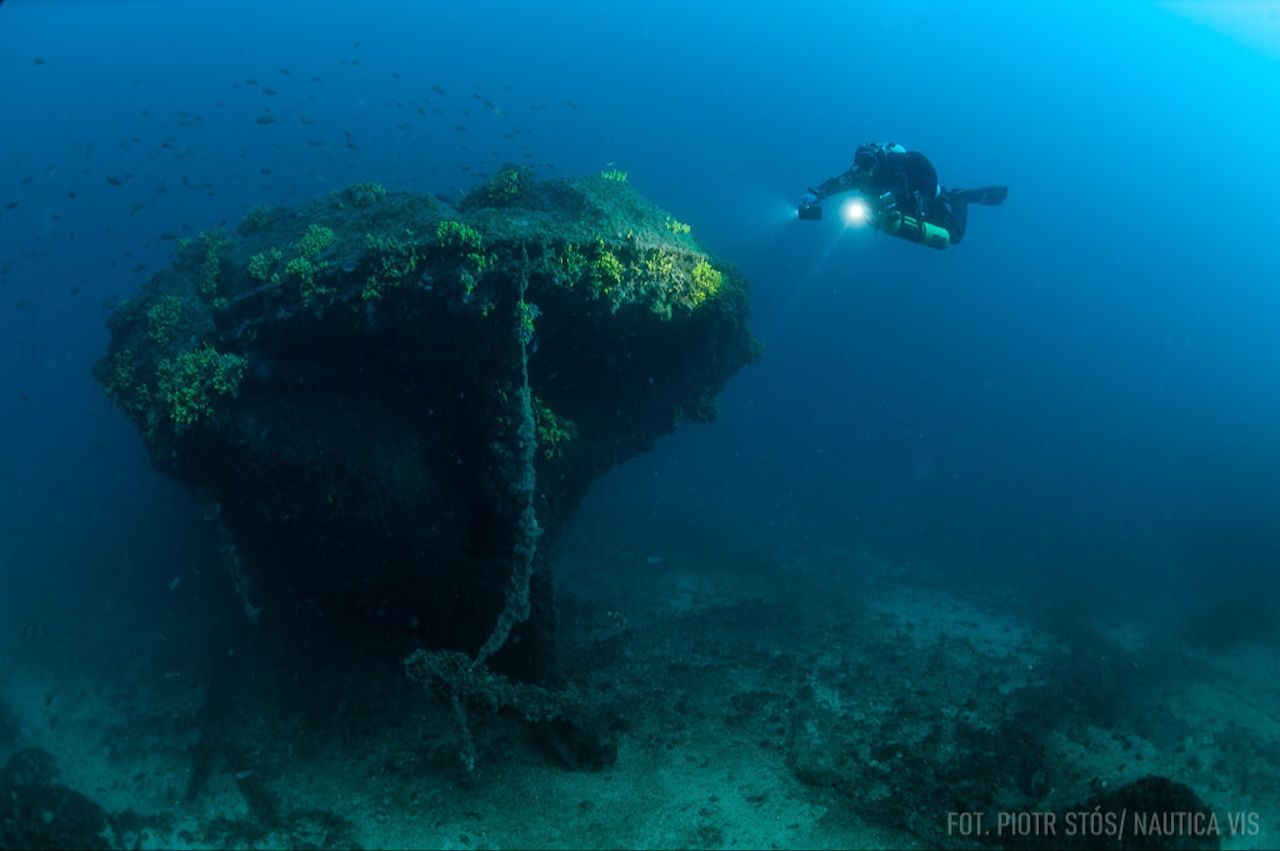
From the Classroom to the Water
Each afternoon, the team from the morning's class dives together. The diving is led by a Human Diver instructor who has been in the classroom all morning and knows exactly what the team has been working on. The dive is planned, briefed, executed, and debriefed using the tools from the class. The location is chosen by the team based on their qualifications and goals.
This is not a skills assessment. No one is watching to see if you perform correctly. The diving is the environment in which the morning's learning becomes embodied — where planning, briefing, and communication stop being exercises and start being habits.
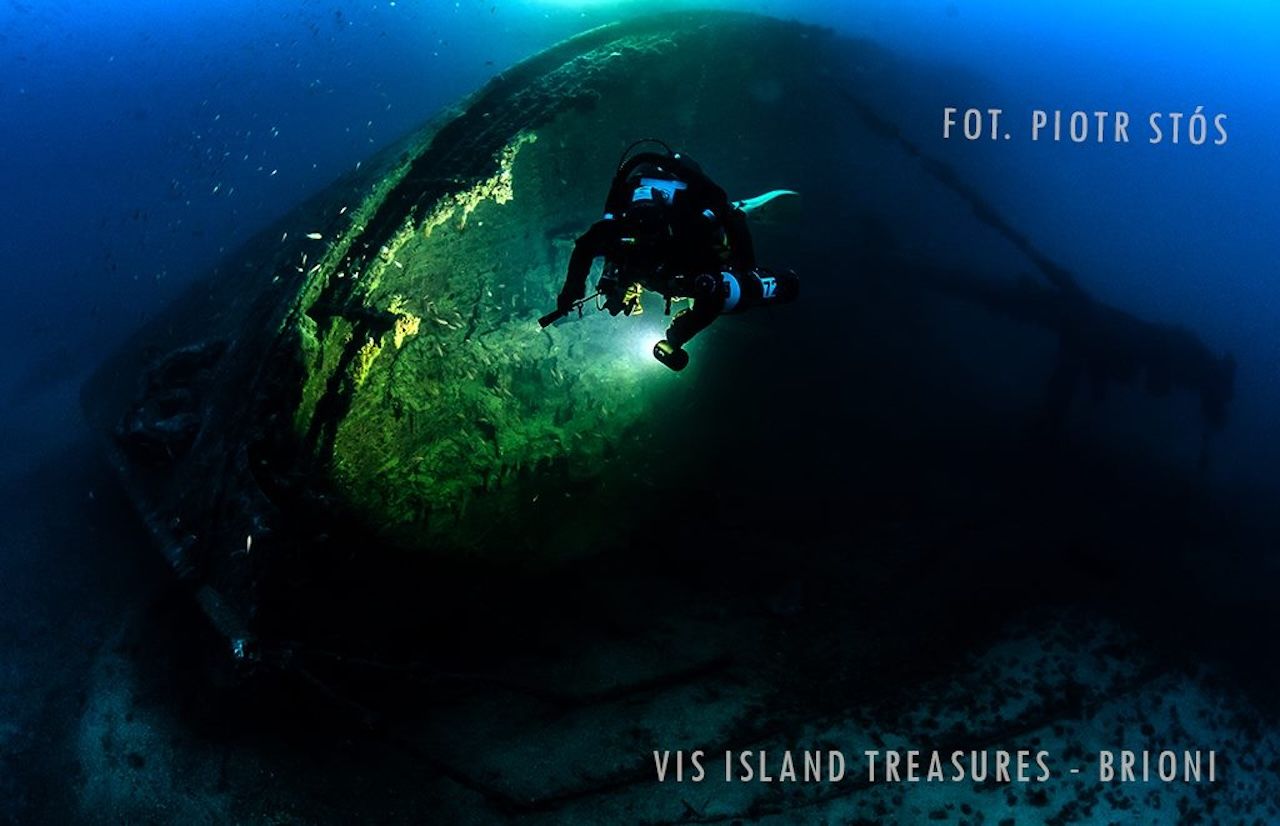
Your dives will match your diving qualifications (from recreational to deeper trimix OC and CCR dives), and will combine both the exploration of the wrecks and reefs in the area, with the lessons from the classroom sessions.

Practical
Improvement doesn't happen by listening to presentations, it happens by taking the knowledge and practice told by others and making that first step yourself. This conference is different.
The conference will deliver:
- Presentations
- HFiD: Applied Skills classes
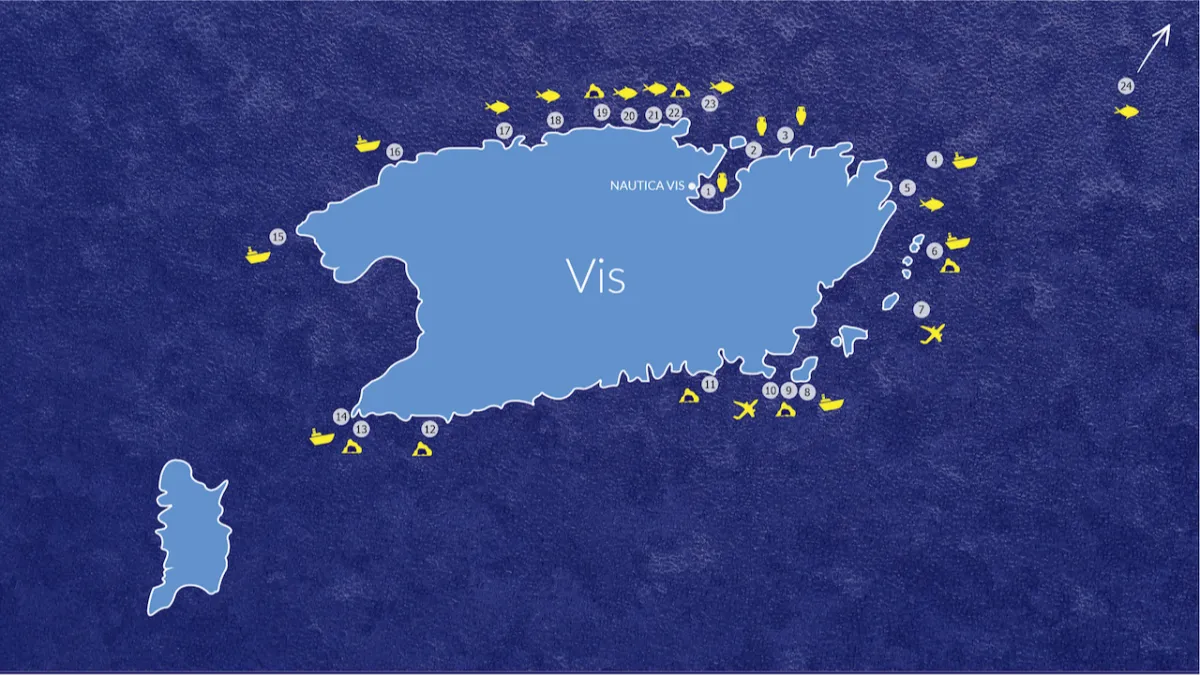
- Diving on the awesome wrecks and reefs around Vis, Croatia,
The goal is to take theory, apply it in class, and the embed it in your diving. Moving lessons from 'identified' to 'learned'.
Send me the early details. Keep me updated.
158 tickets left
(as of 11 September)
Conference starts in
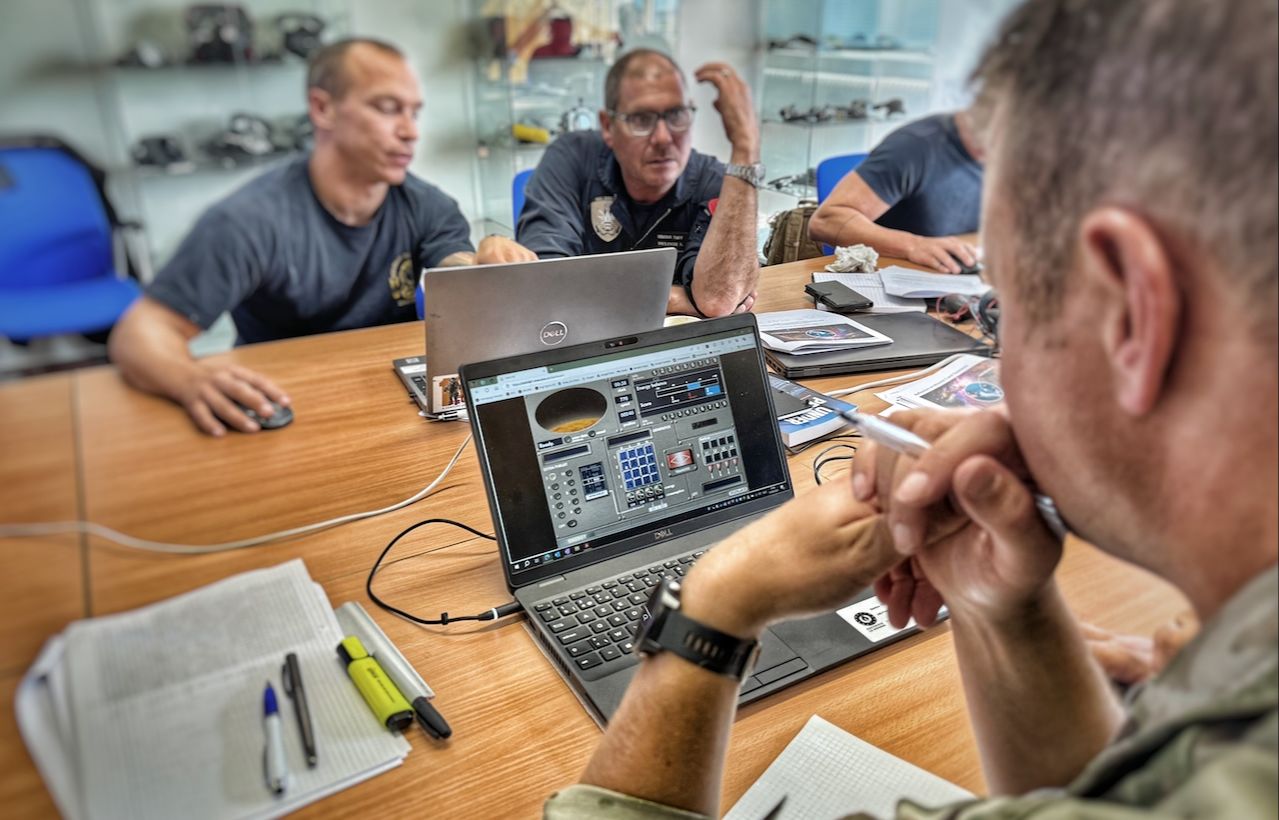
Operating a broken spacecraft...
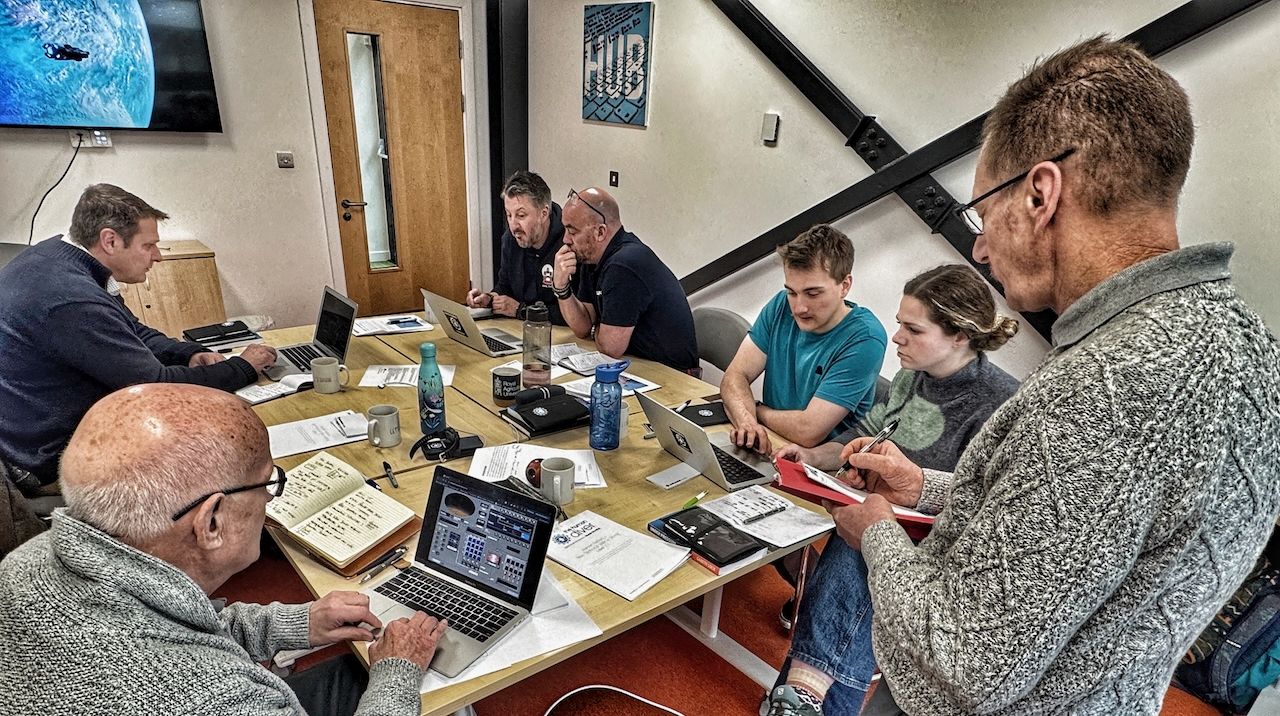
Each morning the Human Diver instruction team will deliver a mixture of theory and practical sessions using the Interpersonal Skills LAB. In effect, we've taken the normal two-day course and created four half-day sessions.
This HFiD: Applied Skills course is included in the cost of the conference.
Each mission explores the boundaries of personal and team performance in a safe environment. Because the team members are operating in a new environment, there are expectations that they will fail and make mistakes, but through reflective debriefs and applying the theory from the class, the team identify critical steps to make improvements in subsequent missions.
The teams will learn how to plan, brief, execute their missions, and then debrief them using the tools from The Human Diver.
...to becoming a more effective dive team
The Human Diver team aren't there to create awesome astronauts who can operate the InterLAB spacecraft. The mission is to improve the performance and safety divers, so they can plan, brief, execute, and then debrief their dives.
Those who attend the conference will have the opportunity to develop their non-technical skills in the classroom in the morning, and then visit one of the many dive sites around the island to complete up to two dives, practising and reinforcing the skills they learned that morning.
This course normally costs €600.
Admni...
XXXX
So many sites...
XXXX

How...
...do I get access to the conference?
Tickets are now on sale. We have limited the number of people who can attend the live event to 300 which includes speakers and supporting staff. This is primarily so you have a great social experience as well as an awesome learning experience.
- Live viewing only. This will be priced at $80 and will allow you access to all of the presentations. The way LexGo is set up is that you can move around the conference rooms as you want to. You can't be in two places at once though ;)
Price $80. - Live viewing plus recordings. This gives you the same access as above, plus you get a copy of all of the presentations that will then be accessible after the event and you'll have access to these videos for 9 months after the conference.
Price $150. - Recording-only option. We know that not everyone can make the conference live so we are now offering a recording-only option which also includes the proceedings.
Price $120 - VIP Tickets. This includes live and recorded access, along with access to digital training materials from the online aspects of the blended learning programme and new essentials class which will be released in July 2021. Most importantly, you will get a one-hour coaching session with me or one of The Human Diver instructors to talk about how to practically implement aspects of HF in your diving. There are only 30 of these tickets available.
Price $250.

What...
The 2021 Human Factors in Diving Conference is the focal point for thinking about and applying human factors knowledge, skills. and practice to diving. Diving that ranges from recreational, technical, cave, CCR, public safety diving, military diving, scientific diving and commercial diving.
All you will need to attend the conference is an internet connection and a device which allows audio and video. LexGo runs from inside a browser so no special software is needed.
© 2026 The Human Diver